
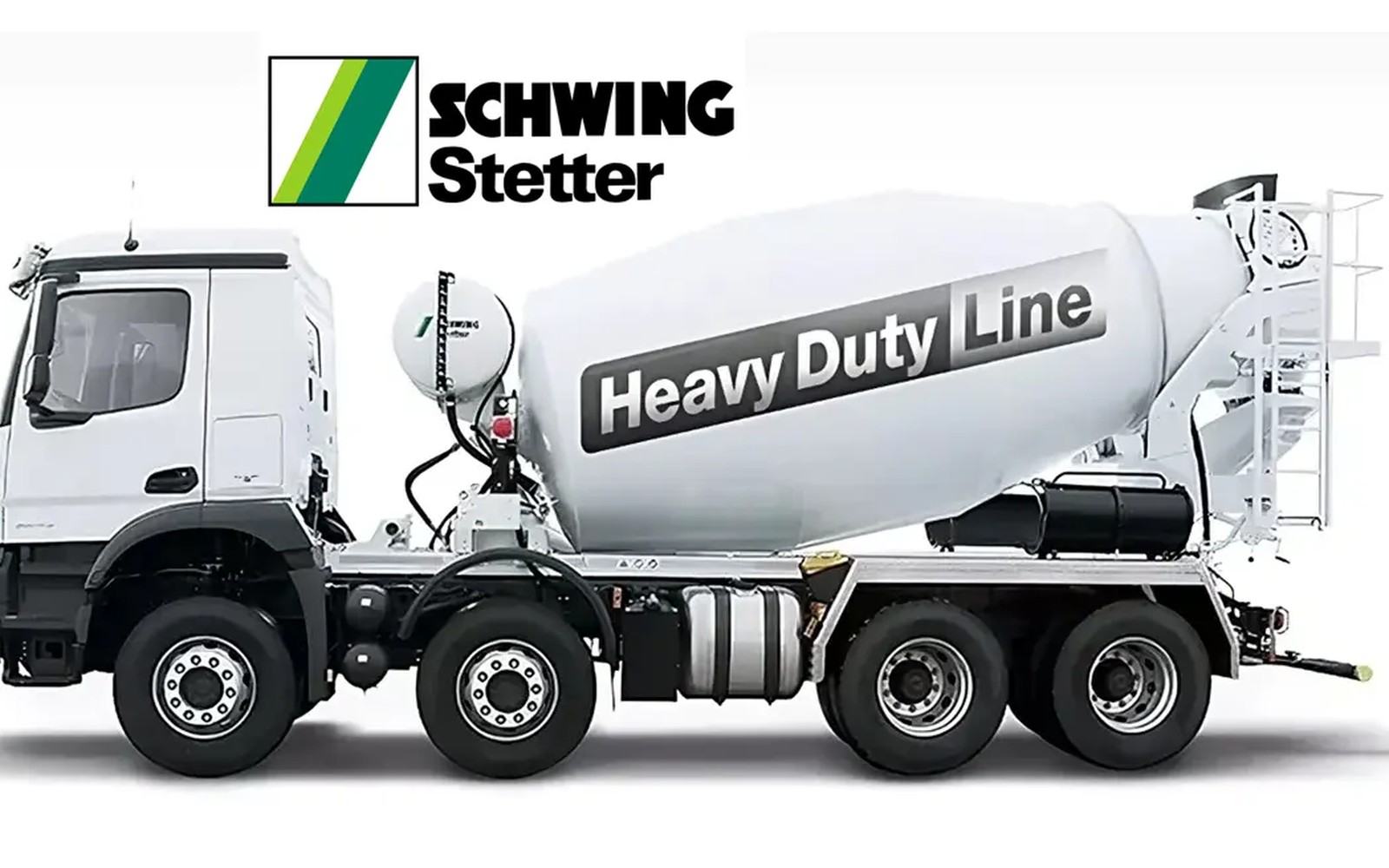
Concrete strength comes from getting the proportions right, batch after batch after batch. A metered concrete mixer achieves that through electronic metering systems that measure each ingredient precisely as it enters the mixing chamber. The operator programs the mix design, and the machine batches to that specification with tight tolerances that do not drift with fatigue, distraction, or time pressure on the job. The yield advantage of on-site batching combines with precision that earns spec-compliance sign-offs on projects where documentation matters.
We finance metered concrete mixers for contractors who need both the on-site flexibility of volumetric batching and the consistency that structural and specialty concrete work demands. Minimum transaction is $50,000. Application-only approval is available to approximately $400,000. Funding closes in about one to two weeks from a complete application.
How Metering Systems Work
Modern metered concrete mixers use one of two primary metering approaches: volumetric metering, where ingredients are measured by calibrated volume as they pass through gates or auger sections, and gravimetric metering, where loads are weighed dynamically as they drop into the mixing stream.
Volumetric metering is the most common system on truck-mounted and trailer-mounted units. The aggregate, cement, and water all pass through calibrated orifices or auger-driven conveyors whose speed determines the material feed rate. The control system reads the speed, calculates the volume delivered per unit time, and adjusts to maintain the target proportions specified in the programmed mix design.
Gravimetric metering adds load cells to the mix and weighs material directly, which can improve precision on aggregate types with variable bulk density. Some high-end high-output volumetric mixer platforms use gravimetric systems specifically to meet ASTM and DOT specification requirements for public works and highway concrete.
Both metering approaches produce data that can be logged and printed as a batch record. For contractors working on public infrastructure projects or spec-driven commercial jobs where mix design documentation is required, this batch record capability is often the deciding factor in choosing a metered unit over a non-metered alternative.
Operators Who Need Metered Precision
Metered concrete mixers serve the same broad market as any volumetric unit, but their value is especially concentrated in several operator categories.
Contractors on public works and infrastructure projects. State and local DOT concrete specifications require batch records, mix design verification, and in many cases certified plant status. A metered volumetric mixer with logging capability can satisfy these requirements without a fixed plant. Municipal and public works contractors who have invested in a metered unit often find that it opens access to project categories closed to operators using non-metered equipment.
Bridge and structural concrete contractors. Structural concrete is often specified to tight water-cement ratio tolerances. Manual water addition, which varies with the operator, does not produce consistent batch-to-batch quality. Electronic water metering eliminates that variance. Bridge and infrastructure contractors routinely specify metered volumetric units for structural work because the precision is not negotiable.
Specialty mix producers. Colored concrete, self-consolidating concrete, and fiber-reinforced mixes all require consistent ingredient ratios to produce predictable results. A metered system ensures that each batch matches the approved design, which protects both the concrete quality and the contractor's liability exposure.
Financing Costs and Loan Structures
Metered concrete mixers typically command a price premium over basic volumetric units because of the added electronic control systems, sensors, and software. New metered units from established manufacturers like volumetric mixer manufacturer financing include sophisticated control panels with programmable mix designs, batch logging, and in some cases wireless connectivity for remote monitoring.
Financing structures for metered mixers follow the same options available for any volumetric equipment.
- An equipment loan gives you fixed payments and clear title at payoff. Terms typically range from 48 to 84 months depending on the machine's age, condition, and the loan amount.
- A lease may reduce your monthly payment below what a loan at the same term would cost, and it simplifies equipment replacement when the control technology improves significantly over a five-to-seven-year lease period.
- If your metered mixer already has equity in it and you want to access that capital, a cash-out refinance can put working capital in your hands while keeping the machine in your rotation.
For operators in the startup phase who want to enter the public works concrete market, new-business startup financing options exist for metered equipment purchases even without an established revenue history.
Getting From Application to Funded
The financing process for a metered concrete mixer runs exactly the same path as any commercial equipment loan. One-page credit application plus three months of business bank statements covers most deals up to $400,000. Approval typically comes in 24 to 48 hours. Funding follows within about one to two weeks of the complete package.
If you are financing a metered unit to qualify for public works bidding or to meet a specific project's mix documentation requirements, timing matters. Tell us when you apply. We can often compress the timeline when a specific project opportunity is driving the purchase.
Operators in markets with active public works pipelines, places like Denver, CO and Salt Lake City, UT where infrastructure investment has been running high, frequently ask us about metered unit financing precisely because the equipment opens bid categories that standard volumetric units cannot access.
Finance Your Metered Concrete Mixer
Apply now. One page, three months of statements, and the equipment details. B/C credit fine. New and used metered mixers funded. Decision in 24-48 hours, funding in about two weeks.