
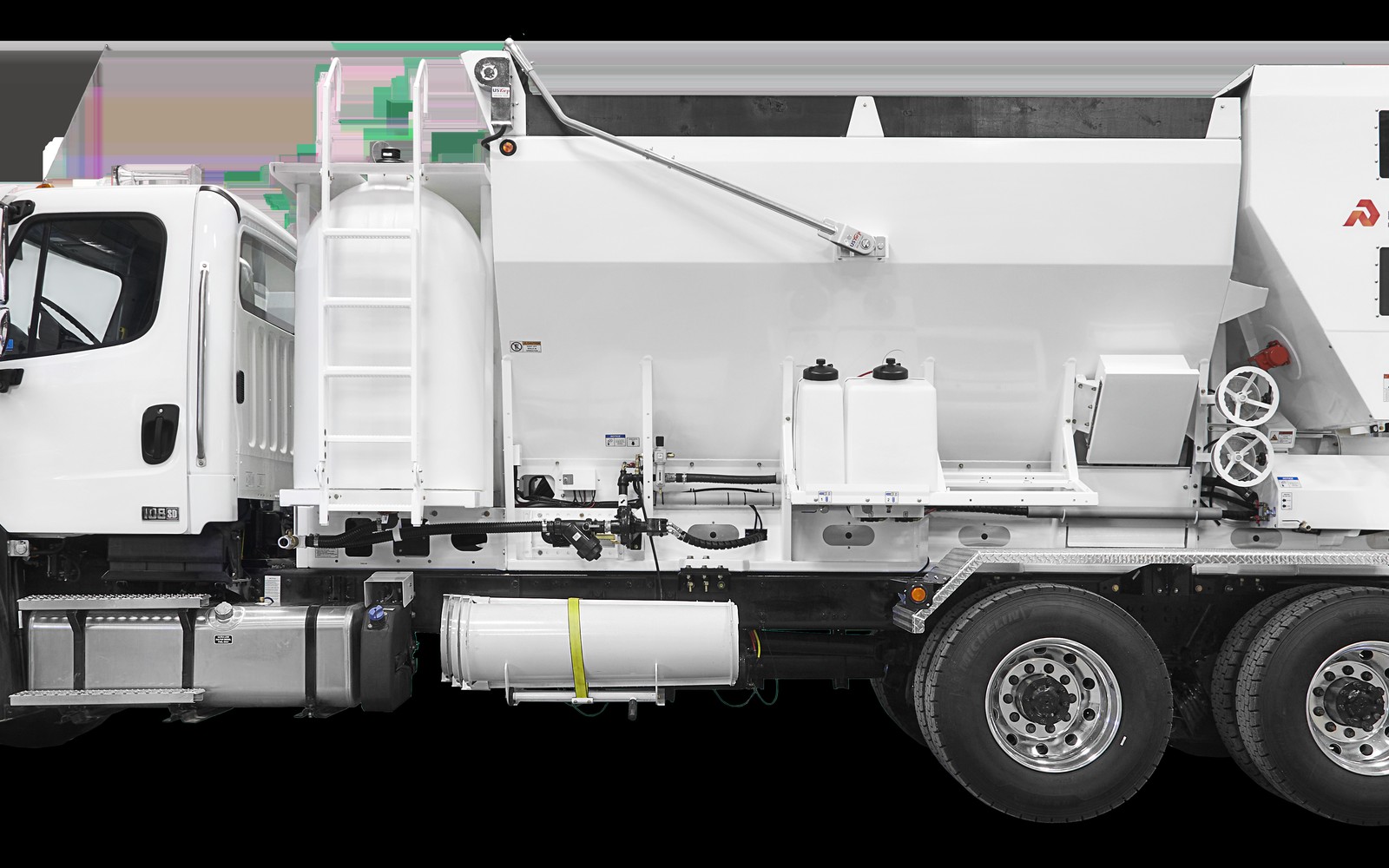
Somebody has to own the first truck. Getting the first volumetric mixer financed as a new business is harder than the second, but it is not as hard as most people assume when they hear 'startup' and 'equipment loan' in the same sentence. The right combination of personal credit, some skin in the game, and a machine the lender understands can get a first-unit deal done. The margin story on mobile batching is strong enough that lenders who specialize in this space have built programs specifically for operators entering the market.
We work with new business owners launching mobile concrete businesses, contractors adding a volumetric unit to an existing operation, and individuals making their first move out of working for someone else and into owning a machine. The path to approval looks different than for an established business, but it exists, and operators in growing markets across the country get startup deals closed every month.
Who Can Get Startup Equipment Financing
Startup financing is available to several different buyer profiles, and the requirements vary somewhat across them:
Brand-New Entities (Under 6 Months)
An entity that was formed recently with no revenue history leans heavily on personal credit and the down payment to carry the deal. Personal credit scores in the 680 range or better combined with 20 to 30 percent down payment are typically required to get a startup deal underwritten. The machine serves as collateral; the down payment reduces the lender's risk; the personal credit profile tells the story of how the borrower manages financial obligations.
Contractors Adding a Volumetric Unit
A concrete contractor who already runs a business but is adding their first volumetric concrete mixer truck is in a much better position than someone with no business history at all. The existing business revenue, even in a different segment of concrete work, tells the income story. Adding a mixer to an established foundation or flatwork operation is one of the cleaner startup deal structures because the income base is already documented.
Industry Veterans Starting Their Own Operation
A foreman or mixer operator who knows the equipment, knows the customers, and is launching their own company has a strong case even with limited entity history. Industry knowledge is not directly underwritten, but it informs the conversation and often matters to lenders who have backed operators in this space before.
What Lenders Need for a Startup Deal
The core requirements for startup equipment financing on a volumetric mixer:
- Personal credit score: generally 650 or above, with 680-plus opening more options
- Down payment: 20 to 30 percent of the purchase price is the typical range
- Business formation: entity must be legally formed (LLC, S-corp, or sole proprietorship)
- Machine documentation: invoice or purchase agreement for a specific unit
- Personal bank statements in some cases (to show personal financial capacity)
The down payment requirement is the piece that most new buyers need to plan for. On a $100,000 used mixer, 25 percent down is $25,000. On a $200,000 new unit, it is $50,000. That is real capital that needs to be in the bank, not in receivables or promised from a job. If you are still building toward the down payment, that is a workable timeline to plan around rather than a reason to give up on the financing path.
A small volumetric mixer or a trailer-mounted unit at a lower price point can reduce the down payment requirement in absolute terms while still getting the business launched. Some operators start with a smaller unit, prove the concept, and upgrade within 18 to 24 months once the business has revenue history that makes the next deal straightforward.
Why the Machine Choice Matters for Startup Deals
Startup deals are asset-heavy on the underwriting side because there is limited business history to lean on. The machine has to do more work to justify the deal. That means:
- Stick to recognized manufacturers where possible: volumetric mixer manufacturer financing, ProAll, Holcombe Mixers, and Zimmerman Industries are names lenders know and can value confidently
- Used equipment should have reasonable hours and a clean inspection report
- Purchase price should align with market value (overpaying for a machine weakens the collateral case)
- New equipment from a dealer is generally easiest to underwrite because the pricing is transparent and the collateral is unambiguous
A startup buyer who comes in with a well-sourced machine, good documentation, and a realistic down payment has a real shot at approval even without a business revenue history. The stronger the collateral case, the more the lender can lean on the asset when the business track record is limited.
Startup Options If the Standard Path Does Not Work
Not every startup application clears on the first pass. If the credit score is below the threshold or the down payment is not quite there, a few alternative paths exist:
A co-signer with strong credit and assets can anchor a startup deal. A co-signer is taking on the liability alongside you, so this usually means a family member, business partner, or trusted associate who understands the commitment. B/C credit equipment financing programs are also worth exploring when the credit file is thinner or has some history to overcome. Those programs are built specifically for non-prime credit situations and have different underwriting frameworks.
For new operators in strong construction markets like Nashville, TN or San Antonio, TX, the demand side of the market is working in their favor. Lenders see more startups succeed in active markets, which can make them more comfortable with new operators who demonstrate they have secured work or have a customer relationship in place.
The Business Case for the First Mixer Investment
Beyond the financing mechanics, a first mixer is a fundamental business decision. The margin difference between batching on site and buying plant-delivered concrete is the economic argument for ownership. A volumetric mixer operator who can price short loads, batch specialty mixes, and serve job sites where a transit mixer cannot reach has a distinct competitive position that a drum truck operation cannot replicate.
That competitive position translates directly into business value, which makes the first mixer more than a piece of equipment. It is the foundation of a service model. Operators who invest in a metered concrete mixer and build their pricing around the precision metering advantage often find they can command better per-yard pricing than plant competitors because they deliver a product that plant-delivered concrete cannot match at small volumes.
The startup financing process, as disciplined as it is, exists because lenders need confidence that the borrower understands the business they are entering. An applicant who walks in with a clear customer target, a realistic revenue model, and a machine choice that fits the work is not just a better credit risk on paper. They are demonstrating the business judgment that correlates with successful operation. Municipal and public works operators who are adding an in-house mixer for the first time often have the clearest use case of all: known volumes, known sites, and a defined cost structure that makes the margin calculation transparent.
Talk to Us About Your First Mixer Financing
Tell us where you are starting from: business age, credit score range, down payment you have ready, and what machine you are looking at. We will tell you plainly what the path looks like and what it will take to get there. No runaround.