
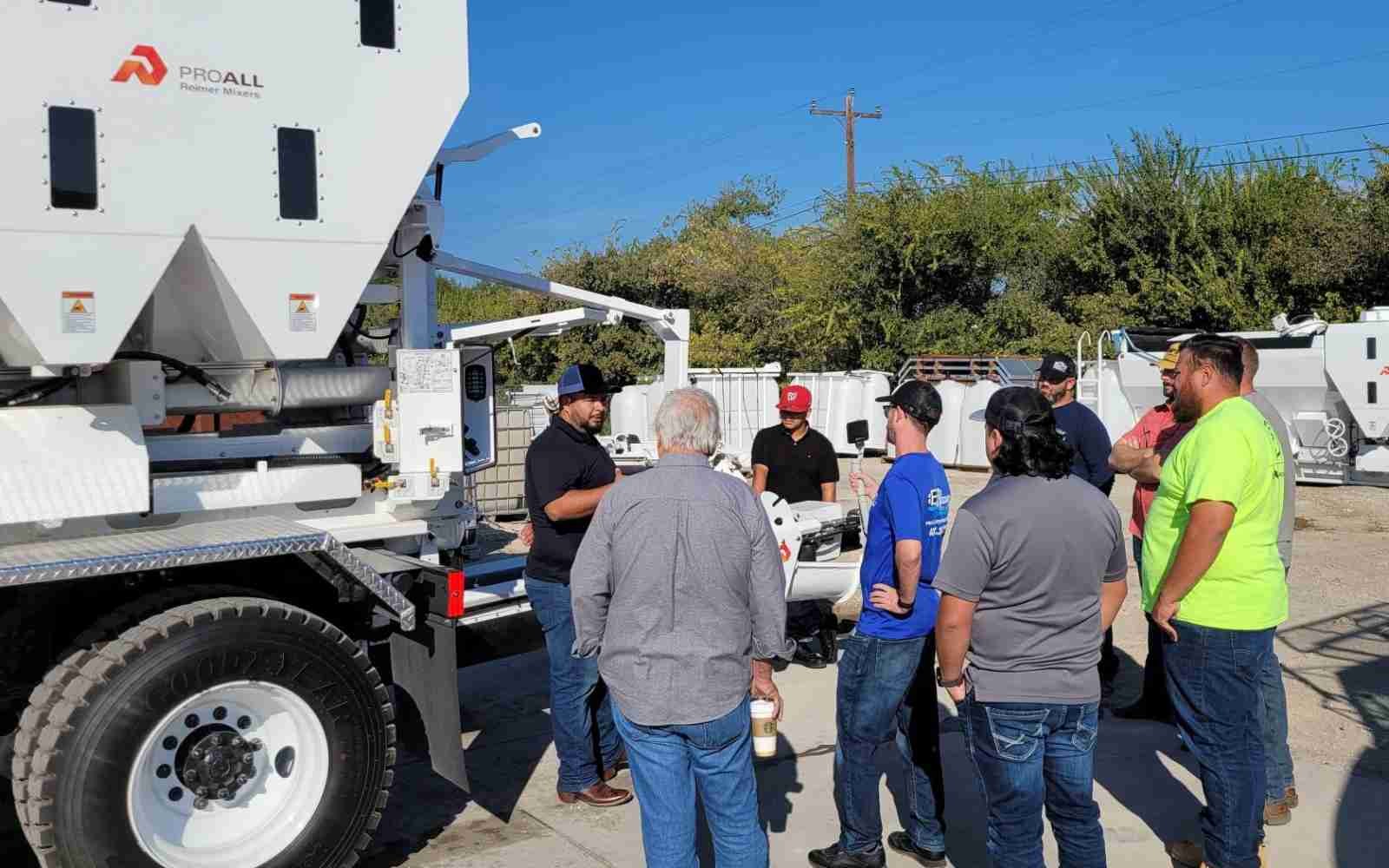
The margin story on volumetric mixing gets a lot better when your monthly nut drops. Equipment refinancing exists precisely for that reason: you have already got the mixer running jobs, the machine has proven itself, and now the question is whether the original loan terms still make sense or whether the market has moved enough to warrant a fresh look. Rates shift, business credit improves with time and payment history, and lenders who were cautious at origination may now compete hard for your deal.
We refinance volumetric mixer loans and leases that are already in place. Whether you financed through a dealer, a bank, or another lender, we can often improve the terms. The primary reasons operators refinance are reducing the monthly payment, shortening the remaining term, pulling cash out of built equity, or getting out of a high-rate loan that made sense at origination but now feels expensive. If you are serving commercial concrete contractors with a well-running machine and a loan that still has 36 months left at a high rate, that is a candidate worth examining.
Three Reasons Operators Refinance a Mixer
Refinancing is not always about a better rate. Here are the three most common situations we see:
1. Rate Reduction
If your original loan was written when your business was newer or your credit was thinner, the rate may have reflected that risk. Two or three years of clean payment history changes your profile. A refinance at improved terms can drop the monthly payment significantly on a large machine. A large volumetric mixer with a six-figure balance is worth the effort to refinance even if the rate improvement is modest.
2. Payment Relief
Cash flow in concrete work is lumpy. If you need to reduce your fixed monthly obligations during a slow period, refinancing to extend the remaining term lowers the payment. Yes, you pay more total interest over a longer term, but that trade-off can be exactly right when you need the cash flow now to fund materials, labor, or another piece of equipment.
3. Cash Out
If the machine has appreciated relative to your payoff balance, you may be able to refinance for more than you owe and take the difference as working capital. This is different from a cash-out refinance (which is a distinct structure we cover on its own page), but the concept is related. Equity in a well-maintained mixer is real money that can fund the next opportunity.
What We Look At When Refinancing Mixer Equipment
The refinance underwrite looks at three things: your current credit picture, the remaining balance on the existing loan, and the current value of the machine. That last point matters. We need the current appraised or market value to exceed the payoff amount by enough to justify a new lien. A machine that has depreciated significantly relative to its loan balance may be difficult to refinance without bringing some cash to the table.
Favorable refinancing conditions include:
- Machine is less than 8-10 years old and in working condition
- Existing loan has at least 12 months of clean payment history
- Business revenue has grown since original financing
- Credit score has improved since origination
- Current market value of the mixer is reasonably close to or above the payoff balance
We handle refinancing of units from all major volumetric manufacturers, including Reimer and Bay-Lynx machines already in the field. Serial number, year, and hours are the first data points we pull when evaluating a refinance transaction.
How Fast a Refinance Closes
Refinancing an equipment loan typically moves faster than an original purchase because the machine already exists, is already insured, and already has documentation. You do not need a dealer invoice; you need the payoff statement from your current lender. The core documents are:
- Current payoff letter from existing lender
- 3 months of business bank statements
- Basic application with business information
- Photo documentation or inspection if the machine is older
From application to funded, a clean refinance transaction often runs seven to ten business days. The existing lender receives the payoff wire, the new lien is recorded, and your first payment on the refinanced loan is due on the schedule in the new agreement. For operators running jobs in active markets like Houston, TX or Denver, CO, that turnaround keeps the machine working without interruption.
If you are also considering whether a sale-leaseback would work better for your situation, those two structures often get compared during the same conversation. A Sale-Leaseback pulls out more cash but means you no longer own the asset. A refinance keeps ownership while improving terms. The right answer depends on your capital needs and your long-term plans for the machine.
When Refinancing Makes Sense Versus When to Wait
Refinancing costs money. There are usually origination fees and sometimes early payoff penalties on the existing loan. Run the math before assuming refinancing always wins. The break-even point tells you how long it takes for the monthly savings to recoup the cost of refinancing. If you are planning to pay off the machine in the next 12 months anyway, refinancing probably does not pencil. If you have 30 or more months left and can cut the payment materially, it almost always does.
Operators serving foundation contractors and other steady-work sectors tend to have predictable enough income to make the break-even calculation clean. Businesses with seasonal or project-based income should also factor in how the refinanced structure handles lean months compared to the current loan.
Who Should Look at Refinancing Their Mixer
Not every operator with an existing loan is a refinance candidate. The strongest candidates share a few characteristics. Their original loan was written early in the business, when credit history was thin and rates reflected that risk. Their credit file has since improved with consistent payment history. The machine has held its value reasonably well, so the current payoff balance is comfortably below market value. And they have enough remaining term that the interest savings over that period exceed the cost of refinancing.
Operators who have financed through a dealer's in-house program frequently find that their original rate was not market-competitive. Dealer financing is convenient at point of sale but not always the most efficient structure once the machine is in service and the relationship has moved past the transaction. A market check six to twelve months after the original purchase often reveals room to improve.
Operators in active markets like Baton Rouge, LA who are picking up additional work and need their fixed costs to stay manageable are prime refinance candidates. A payment reduction that frees up $300 to $500 per month is money that can go toward materials, labor, or the reserve for the next machine. For operators also weighing whether to add a second unit, refinancing the first can reduce the overall debt service enough to make the second deal underwritable. Septic and utility contractors running mixers in support of grout and slurry work often find that a refinanced first machine opens the path to a second unit faster than saving from operating income alone.
See What a Refinance Could Do for Your Payment
Pull your payoff balance, tell us the machine year and hours, and we will model a refinance scenario. No obligation, fast turnaround, and we work with all credit profiles. The payment you have now is not necessarily the payment you have to keep.