
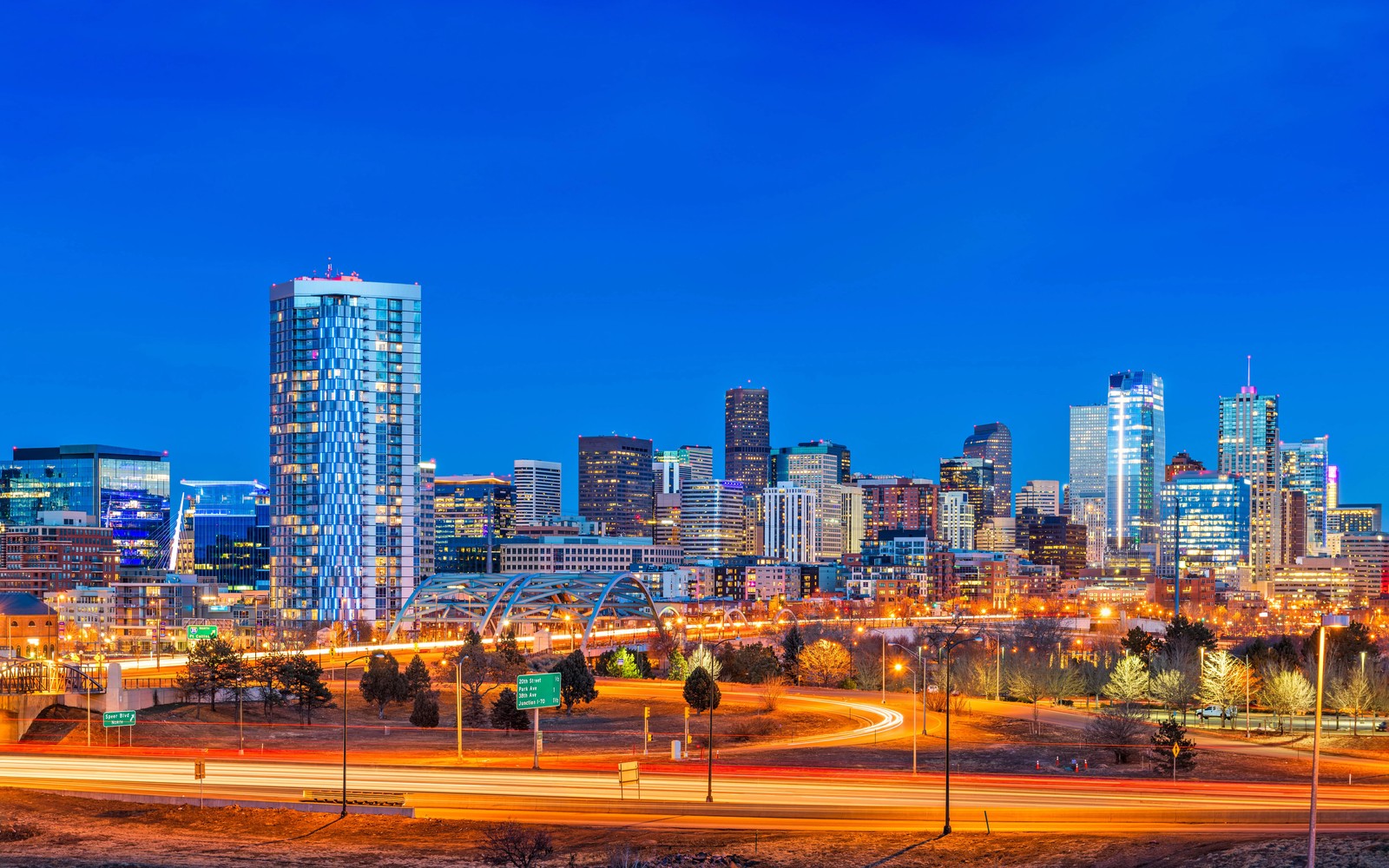
Denver's Front Range corridor has been running one of the most sustained construction cycles in the Mountain West for the better part of a decade. The metro stretches from Fort Collins through Boulder and down the I-25 spine through Denver, Aurora, Centennial, and into the Highlands Ranch and Parker communities to the south, and the concrete demand across that corridor is heavy and consistent. A mobile batching operator positioned in the Denver market captures work that drum trucks cannot serve efficiently: the split-phase subdivisions in Castle Rock and Parker where pour sequences are irregular, the tight infill projects in Capitol Hill and Berkeley where a drum truck parks in an alley, and the rural mountain footings where no plant truck will ever go. We finance the volumetric concrete mixer trucks that serve all of those markets.
Programs for Denver and Front Range operators start at $50,000, run strongest in the $100,000 to $150,000 and above range, and fund in about one to two weeks from approval. Credit decisions come back in 24 to 48 hours. New equipment, late-model used, and reconditioned units all qualify under our standard programs.
Denver's Construction Economy
The Denver metro has experienced a housing shortage that has driven residential construction into ever-wider rings around the city. Communities like Erie, Berthoud, Johnstown, and Lochbuie north of Denver, and Elizabeth and Elbert County developments to the southeast, are seeing subdivision activity that outpaces what the regional ready-mix infrastructure is set up to handle on short loads. A contractor with a on-site concrete mixer can batch exactly what each footing or flatwork pour needs and move to the next lot without returning drums to a plant.
Commercial and mixed-use development along the Denver RTD light rail corridors, particularly around the Southeast Corridor and the West Corridor stations, generates infill slab work in confined sites. The RiNo (River North) art district and surrounding industrial neighborhoods in inner Denver have seen some of the most dramatic commercial redevelopment in the city, with pours happening in tight blocks where drum-truck maneuvering is genuinely difficult. Small volumetric mixers that can navigate those environments and batch precisely are a real differentiator in urban infill work.
Excavation and site-work contractors working the frenzied grading and utility work that precedes those subdivisions also use mobile batching units for the trench fills, pipe encasements, and erosion control pours that happen throughout a site development cycle. We finance those operators too.
Moving Fast in Denver's Market
Denver's construction pace means equipment opportunities are competitive. A dealer who has the right unit at the right price will move it within days. Our financing process is built to match that pace. Application in, credit decision in 24 to 48 hours, documents signed, funding in about a week. For transactions under roughly $400,000, application-only financing eliminates the wait for compiled financials and keeps the timeline tight.
For operators who want full ownership and the accompanying tax benefits, an equipment loan is the standard path. The full purchase price is financed, you own the asset from day one, and Section 179 or bonus depreciation can be applied in the acquisition year. For operators more focused on lower monthly payments and the flexibility to upgrade equipment at cycle end, an equipment lease with a buyout option may serve better. Terms on either structure run from 24 to 84 months depending on the profile.
Colorado operators doing heavy commercial work on long-term contracts sometimes use a TRAC lease structure, which gives them more control over the residual value at the end of the term compared to a standard fair market value lease. We can explain the tradeoffs on any of these when you call.
Denver Operators Who Use Mobile Batching
Foundation contractors in the Denver metro deal with Colorado's expansive soils, which require engineered foundations on most residential work. Those pours are often precise in volume and timing, and the ability to batch on site and control the water-cement ratio directly at the truck is a quality and liability management tool, not just a cost optimization. Finished-in-one-shot flatwork with no cold joints is a more persuasive bid for a GC managing warranties on new construction.
Pool and hardscape contractors serving the affluent communities in Cherry Hills Village, Greenwood Village, and the mountain suburbs west of Denver do considerable decorative concrete work, including stamped pool decks, integral-color patios, and architectural flatwork. Mobile batching units capable of running colored and fiber-reinforced mixes on demand give those contractors a capability edge on premium residential work.
Mountain contractors working in the I-70 mountain corridor communities, from Evergreen and Conifer through Bailey and Fairplay, regularly run mobile batching units because the alternative is a plant truck on a winding mountain road. The elevation changes and winter road conditions in that terrain make a self-contained mobile unit the only practical batching solution for many mountain jobs.
Finance Your Denver Volumetric Mixer
The Front Range is building and the margin on mobile batching is visible. Whether you are looking at your first truck or adding capacity to an existing operation, we want to hear from you. Tell us the equipment and your business details. We will have a credit decision in one to two business days and fund in about a week after that. Colorado concrete work does not wait and neither do we.