
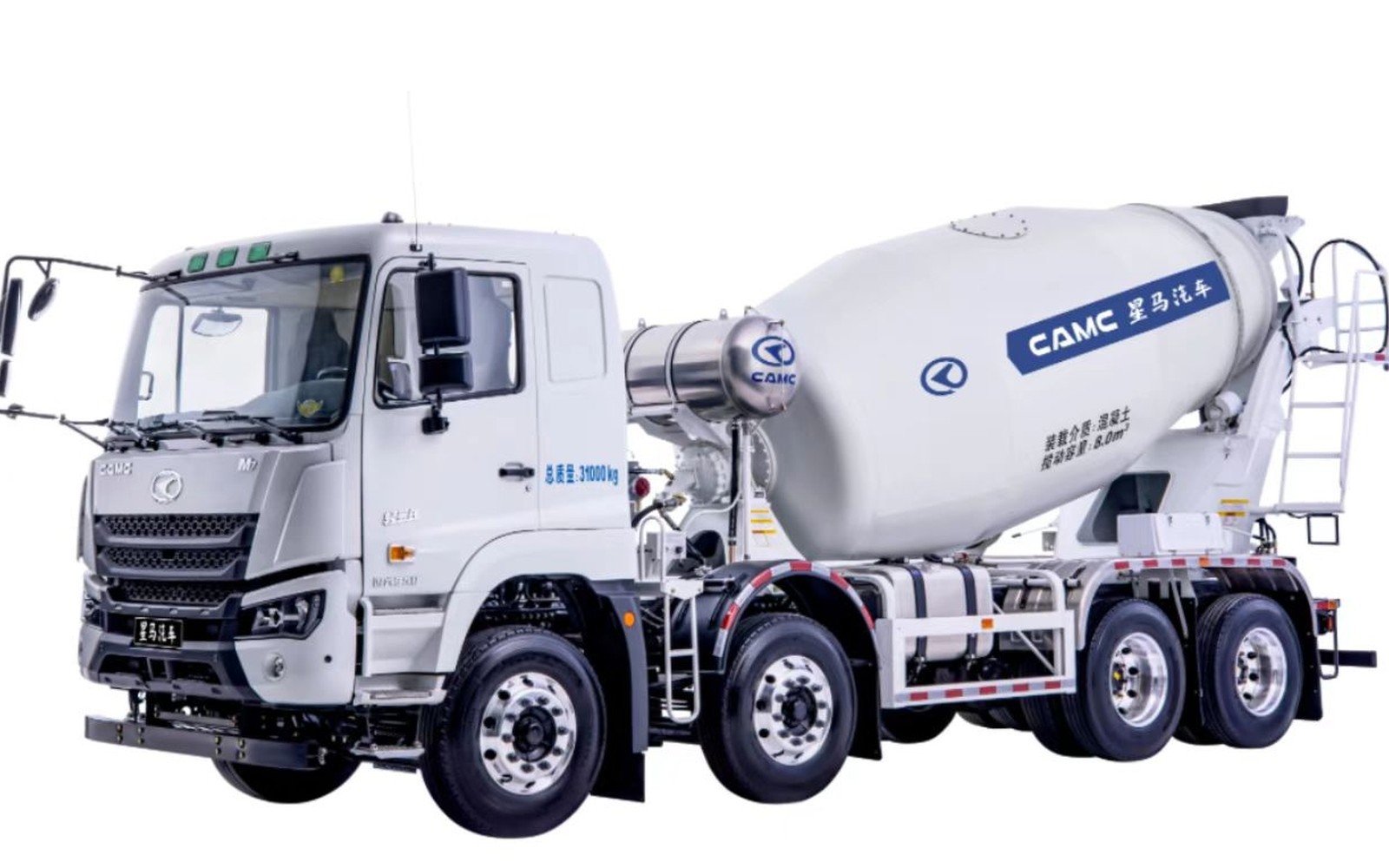
Fitting the mixer to the job is part of the margin discipline. A small volumetric mixer, typically in the two- to four-yard capacity range, is the right tool for residential flatwork, specialty pours, and short-load situations where a full-size truck is oversized, overpriced, and harder to maneuver through a residential gate. Small mixer operations serve work that larger equipment ignores, and that niche is often the most profitable segment in the local concrete market.
We finance small volumetric mixers starting at $50,000, which covers most new compact units and many used mid-size configurations. Application-only approval runs to approximately $400,000, and funding closes in about one to two weeks from a complete package. B and C credit operators are welcome.
The Business Case for a Small Mixer
A small volumetric mixer earns its keep in markets that plant concrete cannot profitably serve. Plant trucks have minimum loads, typically two to three cubic yards, and charge a premium when the pour falls below that threshold. A small volumetric unit has no minimum. You batch one yard for a fence line, two yards for a patio, or half a yard for a set of deck footings, and you charge for what you produce.
The residential concrete market in most metros runs overwhelmingly on small pours. Homeowners, landscapers, and light commercial clients routinely need quantities that make plant delivery uneconomical. A contractor with a small volumetric mixer can undercut the plant's effective price on small loads while still maintaining strong per-yard margins because the production cost is lower.
Pool and hardscape contractors are one of the biggest user segments for small volumetric mixers. Pool decks, coping pours, fire pit bases, and decorative flatwork all require controlled small volumes, often with colored or specialty mix designs that benefit from on-site batching flexibility.
Operators also use small mixers to reach sites where a large truck cannot access: narrow driveways, backyards, hillside properties, and locations with low overhead clearance. A compact truck-mounted or trailer-mounted volumetric mixer gets into places that a ten-yard truck simply cannot go.
Sizing and Configuration Details
Small volumetric mixers cover a range of configurations from the compact end of the truck-mounted market down to trailer units that can be towed by a three-quarter-ton pickup.
A typical small truck-mounted unit carries two to four cubic yards of mixing capacity and rides on a Class 5 or Class 6 truck chassis. This keeps the gross vehicle weight in a range that can navigate residential streets and clear most standard residential driveways without weight restriction concerns. Some small units can be licensed on a standard commercial vehicle endorsement rather than a full CDL, depending on the chassis configuration and state licensing thresholds.
On the trailer side, compact volumetric trailer units rated at one to two cubic yards per load pair well with a three-quarter-ton or one-ton pickup for operators who want maximum jobsite flexibility at the lowest entry investment. The on-demand concrete mixer model fits the small mixer profile well, where you produce only what you need for each small pour and waste nothing.
Brands that manufacture or supply small volumetric mixers include several of the major names in the volumetric category. Bay-Lynx Manufacturing and Holcombe Mixers both offer configurations at the compact end of their lines that work well for residential and specialty concrete markets.
Financing a Small Mixer
Small volumetric mixers landing between $50k and $150k fall solidly in the application-only financing window. A one-page credit application plus three months of business bank statements is typically all we need for a decision. No tax returns, no financial statements, no lengthy bank underwriting process.
The process:
- Submit the application and bank statements with the equipment details.
- Receive a lender decision in 24 to 48 hours on most small mixer deals.
- Funding documents are prepared and sent to the seller or dealer.
- Deal closes in approximately one to two weeks from the complete package submission.
For operators with B or C credit, B/C credit equipment financing is available through lenders who specialize in construction equipment. The approval criteria emphasize the machine's collateral value and the business's cash flow history in the bank statements.
First-time equipment borrowers or startup businesses may need to bring a personal guarantee and potentially a small down payment, but both are workable. Starting with a small mixer is often the right move for a new mobile concrete business because the entry cost is manageable and the market is established.
Already Own a Small Mixer? Here Are Your Options
Operators who purchased their small volumetric mixer with cash can access that equity through a Sale-Leaseback. The lender purchases the machine, you lease it back for continued use, and the sale proceeds go into your operating account. This is a useful way to fund a second unit, cover a slow-season gap, or capitalize a new market opportunity without selling the asset you depend on daily.
If you have an existing loan on the small mixer and want better terms, a equipment refinancing can lower the rate or extend the term. We need the current payoff amount and the mixer's current market value to evaluate the equity position and identify the best available refinancing terms.
Finance Your Small Volumetric Mixer
One page. Three months of statements. B/C credit fine. Small mixers from $50,000 qualify. Expect a decision in 24-48 hours and funding in about two weeks. Apply today.