
Production rate determines revenue, and on jobs that demand volume, a high-output volumetric mixer is the machine that turns hours into yardage efficiently. Maximum output configurations, typically in the twelve-yard payload range with production rates above two cubic yards per minute, serve the large commercial pours, highway work, and infrastructure contracts where sustained yardage determines whether the job is profitable or just busy. Batch on site at that rate and the plant supply chain becomes irrelevant to your schedule.
We finance high-output volumetric mixers across the full credit spectrum, from prime borrowers to B/C credit operators with strong cash flow. Minimum is $50,000. Application-only approval is available to approximately $400,000, with full-doc options for larger transactions. Funding closes in about one to two weeks.
What Defines High-Output Performance
High-output volumetric mixers differentiate from standard volumetric units on several measurable dimensions.
Aggregate Payload
High-output platforms maximize the aggregate, cement, and water load per trip. This reduces the number of refill cycles during a sustained pour. On a large foundation or pavement pour, each resupply interruption costs production time. High-capacity aggregate bins, sometimes totaling 12 yards of combined storage, keep the pour moving.
Mixing Chamber Throughput
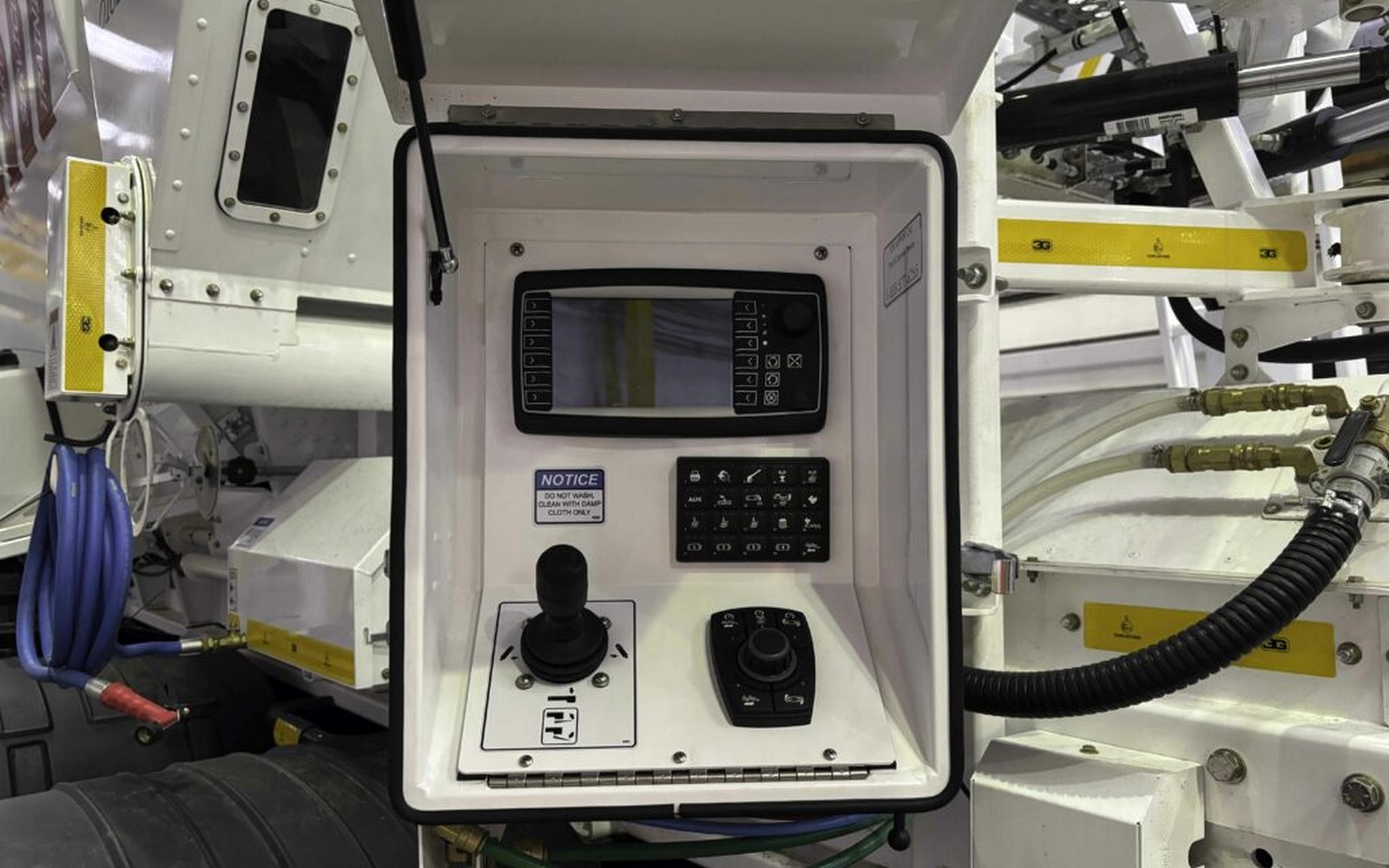
The mixing auger diameter and drive speed directly determine how fast material can flow through the chamber. High-output configurations use larger auger diameters, higher-torque drive systems, and optimized chamber geometry to achieve maximum throughput rates without compromising mix homogeneity.
Powertrain Match
A high-output mixer must be paired with a truck powertrain that can support the PTO demands of the mixing system while maintaining highway travel capability. Class 8 platforms with appropriately rated engines and PTO systems are standard for high-output configurations. The powertrain choice affects both production performance and the truck's long-term reliability under the sustained PTO load that high-output mixing demands.
The 12-yard volumetric mixer is the standard reference point for high-output production in the volumetric concrete market. At that capacity tier, the machine regularly competes head-to-head with fixed-plant batch deliveries on commercial jobsites.
Operations That Justify a High-Output Unit
A high-output volumetric mixer is a production investment. The operators who benefit most produce high daily yardage and need each truck to carry the load.
Commercial concrete contractors on large pours. High-output units serve contractors who are placing 100 yards or more per day per truck. A commercial concrete contractor running a high-output unit on a slab or foundation pour generates more revenue per truck than an operator running multiple smaller mixers to achieve the same output.
Road and highway contractors. Pavement replacement, bridge deck rehabilitation, and highway widening all require sustained yardage production over long continuous pours. High-output volumetric units match that production requirement while providing the batch documentation that highway spec concrete demands. Road and highway construction contractors in high-growth markets have been among the fastest adopters of high-output volumetric units as an alternative to plant deliveries.
Operators competing for large public works contracts. Government and municipal concrete specifications often require documentation of mix design consistency and batch volumes. High-output mixers with sophisticated control systems can meet those requirements while producing at rates that make the project economics work. See municipal and public works for relevant market context.
Financing High-Output Equipment
High-output volumetric mixers represent the upper end of the new volumetric market. New units in this category can price well above $400,000, which places them in the full-documentation financing tier for most transactions. Used high-output units in good condition trade meaningfully lower and may fall within the application-only range.
An equipment loan with a 60 to 84 month term is the standard structure for high-output units that operators plan to run through the machine's full productive life. Longer terms reduce monthly payments and preserve operating capital for fuel, maintenance, and crew costs.
Operators who want to manage equipment obsolescence risk, particularly around control system technology updates, may prefer an equipment lease with a fair-market-value purchase option at term end. This provides flexibility to upgrade without being locked into a machine that is technically capable but operationally dated relative to newer metering and telematics technology.
For operators who already own high-output volumetric units with equity, a Sale-Leaseback can convert that equity into growth capital while keeping the machine in production. We evaluate these transactions the same way as any equipment financing: machine value, loan-to-value ratio, and business cash flow.
From Application to Funded
High-output mixer deals above $400,000 move through a full-doc process that typically adds a week to the standard timeline. A couple of years of business returns, a current profit and loss statement, and in some cases a business balance sheet round out the package. The credit application and bank statements are still the starting point, and the additional documents are usually requested after the initial credit review rather than upfront.
Pre-qualification is especially useful for high-output mixer buyers because these transactions are larger and the lender decision involves more moving parts. Knowing your approval amount and rate range before you identify a specific unit means you can negotiate with dealers from a position of financial readiness.
Operators in high-volume concrete markets like Atlanta, GA or Charlotte, NC where commercial construction has been sustained at high levels find that pre-qualified buyers get better access to good used inventory because sellers know the deal will close.
Finance Your High-Output Volumetric Mixer
Large transactions welcome. Full-doc and application-only options. B/C credit considered. Call or apply online to start your high-output mixer financing. We close deals at this level every week.