
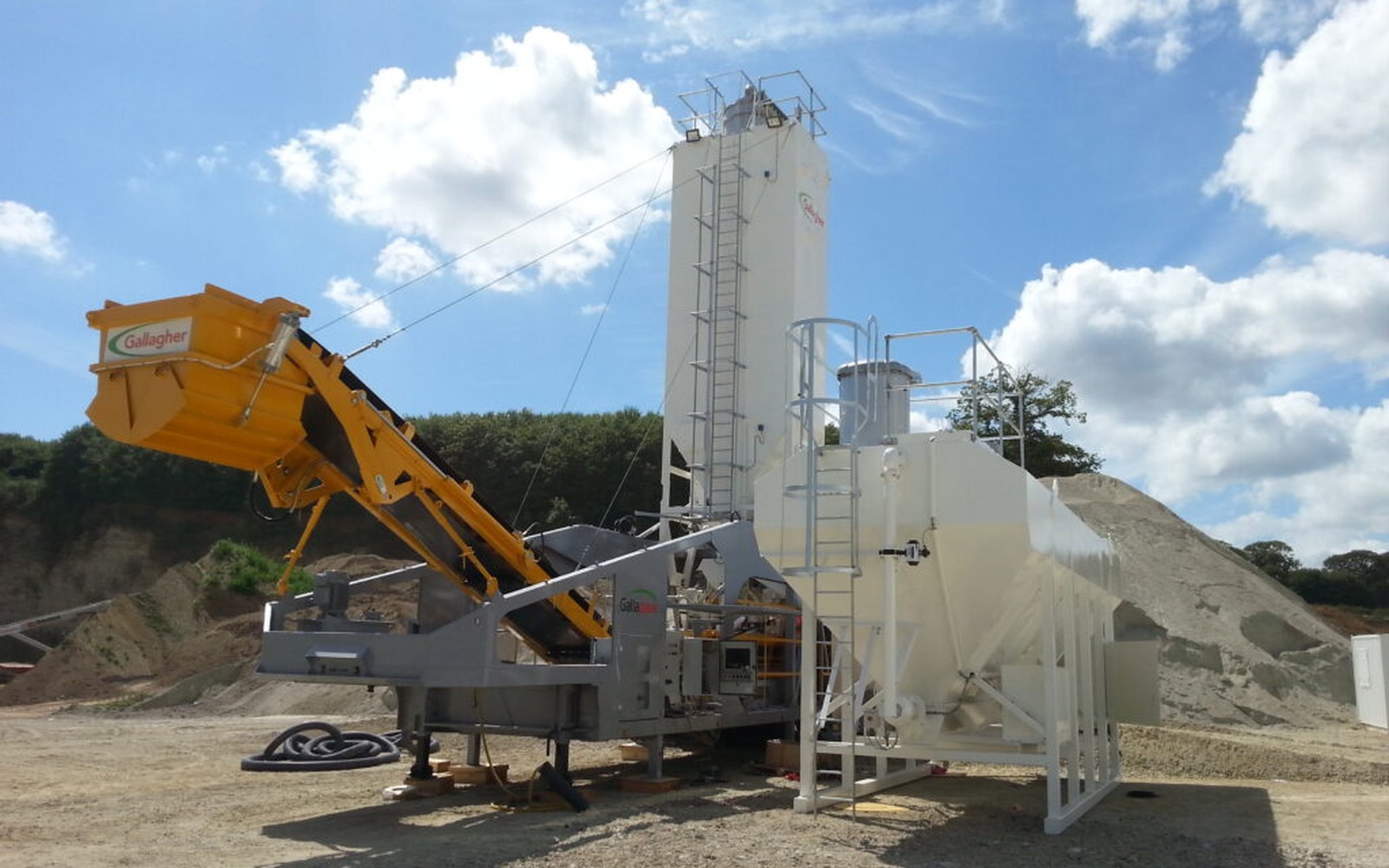
Road construction moves fast once the crew is on the ground. Paving spreaders do not wait, and neither does a concrete paving slip form. The volumetric mixer's role in highway construction is mostly not pavement replacement, it is the concrete that lives beside, below, and between the pavement: barrier wall, curb and gutter, bridge deck repairs, drainage inlets, headwalls, and the hundreds of small structures that a road project generates as it moves from station to station. For all of that work, on-site batching is the fastest and most cost-efficient option.
A highway contractor who depends on a plant for every barrel of concrete on a DOT job runs into the same problems repeatedly: delivery windows that do not match crew timing, short loads on drainage structures that generate minimum charges, and plant trucks that cannot legally run at highway speed to keep pace with a moving crew. A truck-mounted volumetric mixer travels with the job, batches at the structure being placed, and keeps the crew moving rather than waiting.
We finance volumetric mixers for road and highway construction contractors. Our minimum is $50,000. Production units for highway work typically run in the $100,000 to $150,000 and above range. We work with established companies and newer operations, B/C credit situations, and both new and used equipment. Funding typically lands in one to two weeks from a complete application.
Equipment Built for Moving Jobsites
Highway construction is a moving jobsite. The curb and gutter machine advances down the corridor daily. The crew that follows behind with concrete needs a supply that moves at the same pace. A curb-and-gutter mixer truck is the specific volumetric configuration designed for this application, with auger or conveyor systems calibrated for the high-plasticity, consistent-slump mix that slip-form curb machines require.
Barrier wall construction is another high-volume concrete application on highway work. Jersey barriers, median barriers, and temporary concrete median barriers poured in place require consistent mix throughout a long continuous pour. A volumetric unit's ability to maintain exact mix proportions from the first load to the last is an advantage that batch plant deliveries cannot match across a long barrier wall session where multiple trucks cycle in sequence.
For contractors handling bridge approach work, drainage inlet replacement, or concrete pavement panel repair, a on-demand concrete mixer allows exact batching for each structure. Panel replacements in particular benefit from this capability: each panel is a specific volume in a specific mix design, and batching exactly what is needed eliminates waste and batch ticket disputes with the inspector.
Which Highway Contractors Run Volumetric Units
Primary highway contractors with large DOT contracts benefit from in-house volumetric capability because it removes a significant logistical dependency from an already complex job. Sub-contractors doing concrete scope on highway jobs also benefit because it frees them from coordinating delivery timing with both the GC's schedule and the plant's batch window simultaneously.
Contractors who regularly do both concrete and asphalt highway work find that the volumetric unit complements the paving operation. Asphalt work generates concrete structure work (inlet tops, headwalls, transitions) that the volumetric truck handles cleanly without a separate concrete sub. Keeping that scope in-house improves margin and simplifies coordination.
Highway work often runs in challenging geography: mountain corridors, desert expanses, rural areas with no plant nearby. A contractor doing road work in remote areas essentially must have their own concrete supply capability to compete. The alternative is hauling drum trucks for hours or air-freighting concrete from wherever the nearest plant happens to be. See how rural and remote jobsite contractors use volumetric mixing to solve exactly this access problem across any terrain.
Financing Highway-Grade Volumetric Equipment
Road and highway construction companies typically have established businesses with documented government contract revenue. That profile is well suited for standard equipment financing, though the project-based nature of contract work can create cash flow patterns that require some explanation in the bank statement period.
An equipment loan is the most common structure: you own the truck, depreciate it, and build equity as the loan pays down. For a company with multiple DOT contracts, the payment is a predictable fixed cost against stable government-backed revenue. An equipment lease is worth considering if you want to preserve cash for bid bonds and mobilization costs that highway contracts require upfront.
Application-only financing up to approximately $400,000 is available for most established highway contractors. For larger fleet purchases or more complex transactions, standard underwriting applies, but we keep the timeline tight. A government contract award is not a patience contest, and neither is our process.
Capital Strategies for Active Highway Contractors
Highway contractors with paid-off equipment often need working capital ahead of mobilization on a new contract. An equity refinance tied to an owned on-site mixer or other paid-down equipment converts that value to cash without selling the asset. You take the cash, the mixer stays in service, and the payment resumes on the new balance.
A Sale-Leaseback is the more aggressive version: you sell the truck to a lender at its appraised value, receive the full market value in cash at closing, and continue using the equipment under a lease. That transaction can generate substantially more capital than a refinance on a partially paid asset. For a contractor mobilizing on a large highway contract, that capital can be the difference between chasing the job and running it efficiently.
Frequently Asked Questions
Questions road and highway contractors ask most often about volumetric financing.
Finance the Mixer That Keeps Your Crew Moving
Apply today and most highway contractor applications complete the review in one to two weeks. Explore loan terms or a Sale-Leaseback on existing equipment. Highway work does not slow down for financing delays, and neither do we.