
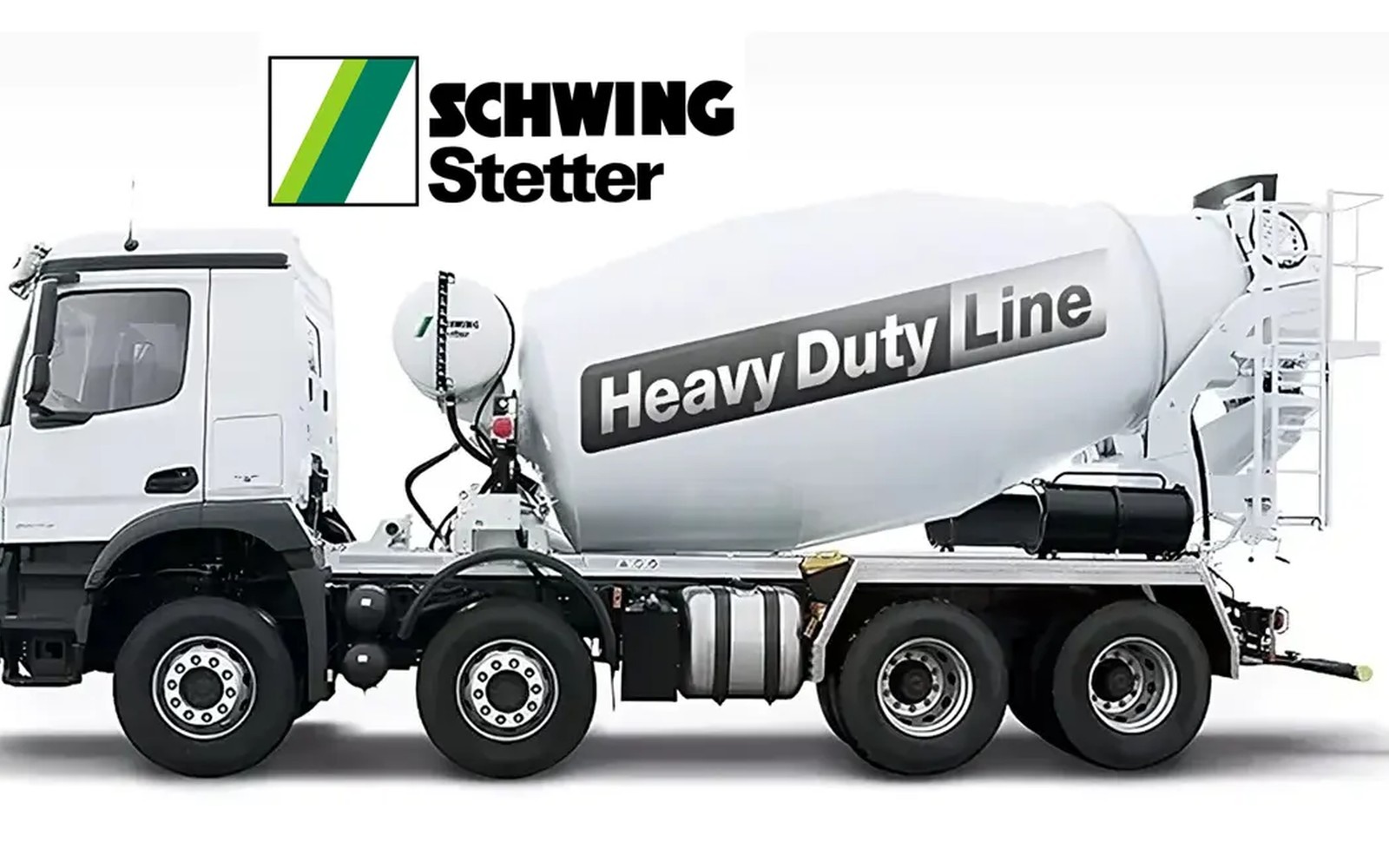
Curb-and-gutter work runs on a tight rhythm. The slip-form paver moves at a constant pace, the pour behind it has to stay consistent, and the concrete that feeds the machine needs to match the spec exactly on every yard. A plant truck works when it shows up on time, with the right slump, and there are enough trucks to cover the paver's speed. A curb-and-gutter mixer truck cuts that dependency. You batch on site, feed the paver from beside it, and eliminate the variable that causes the most production losses on curb jobs: the plant delivery gap.
We finance curb-and-gutter volumetric mixer trucks for concrete paving contractors, streetscape firms, and municipal concrete subcontractors who have decided to control their own mix. Minimum deal size is $50,000 and most curb-and-gutter mixer setups fall between $120,000 and $200,000. We fund in one to two weeks and work with B/C credit.
The Equipment in Detail
A curb-and-gutter mixer truck is a volumetric concrete mixer configured for the stiff-mix, low-slump output that slip-form curb machines require. Curb concrete typically runs at two-inch or less slump to hold its shape as it exits the mold. Plant-produced low-slump concrete is hard to transport without slump gain from vibration and temperature. A volumetric unit produces it fresh at the discharge point, eliminating that transit slump problem entirely.
The truck typically positions beside or behind the slip-form curb machine and feeds concrete into the machine's hopper continuously. Feed rate has to match the paver's advance rate. Most experienced curb-and-gutter operators develop a choreographed movement between the mixer truck and the paver, with the mixer operator watching the hopper level and adjusting output to maintain a steady head of concrete in the machine.
Physically, a curb-and-gutter mixer is often a truck-mounted volumetric mixer on a tandem or tri-axle chassis to handle the road weight for urban streetscape work. Some contractors prefer the tandem-axle volumetric mixer format for its tighter turning radius in residential subdivisions where curb replacement is done street by street. Others run a tri-axle volumetric mixer when they need the aggregate and cement capacity for longer continuous pours on collector roads.
The Market for Curb-and-Gutter Work
Curb-and-gutter concrete is one of the most stable segments in all of concrete work. Every road project installs curb. Every subdivision development builds curb. Every parking lot perimeter, every commercial drive approach, every municipal streetscape program involves curb-and-gutter concrete. This is not a niche market. It is a fundamental segment with steady, year-round demand in most regions.
Road and highway construction contractors win the largest single pours, often measured in thousands of linear feet per project. But subdivision and development concrete is where a lot of curb-and-gutter mixer trucks earn their keep, moving from development to development as the residential builder extends infrastructure. Municipal and public works agencies run curb replacement and reconstruction programs that provide recurring contract work for operators who can demonstrate reliable production and consistent quality.
Markets experiencing strong residential expansion, such as Fort Worth and Boise, keep curb-and-gutter operators busy for years on development contracts. Municipal programs in mature markets keep the rest of the calendar filled.
How the Financing Process Works
Curb-and-gutter mixer trucks are financed through our standard volumetric equipment program. For deals up to approximately $400,000, we can proceed on an application-only basis. The borrower completes a credit application, we review business credit and operating history, and we structure the deal. No tax returns, no P&L statements for most transactions in this range.
B/C credit is considered. A concrete paving contractor with solid state DOT contracts on the books and 18 to 24 months of operating history can often qualify for a curb-and-gutter mixer loan even with a personal credit score in the 580 to 640 range. The contracts are evidence of future revenue, and the mixer's utility to the business is obvious from the contract terms.
For operators doing an equipment refinancing on an existing curb truck, the process is similar. We look at the payoff, the current unit value, and the borrower profile, and we structure the refinance around the numbers that work for both sides. Rate improvements and payment reductions are both achievable for operators who have built credit or business history since the original deal.
What Contractors Ask About Curb Mixer Financing
Here are the questions that come up most often when we talk with curb-and-gutter operators about financing.
Finance Your Curb-and-Gutter Mixer Truck
Curb-and-gutter contractors who own their mixer control their job sequencing, their quality output, and their margin. The equipment is the business. Connect with us now, tell us what unit you have in mind and what your concrete paving volume looks like, and we will put together real terms. Operators who work with volumetric mixer manufacturer financing or ProAll curb-and-gutter configured units will find that we know those machines well and can move quickly on the approval.