
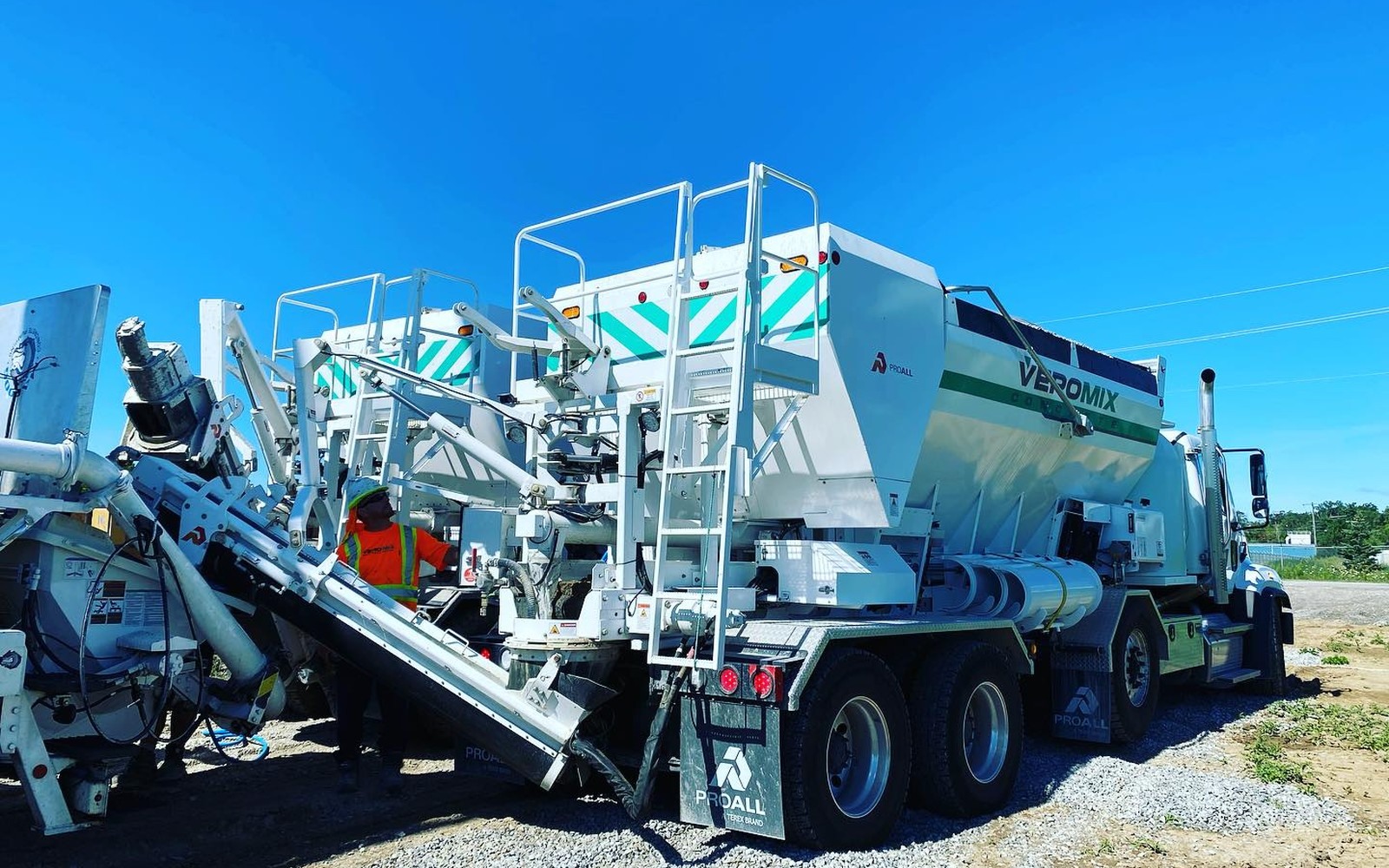
Bonus depreciation works alongside Section 179 as a tool for accelerating the tax deduction on equipment purchases. Where Section 179 is elective and subject to a taxable income cap, bonus depreciation under IRS rules applies automatically and can generate a loss, which then carries back or forward. For a concrete business buying a volumetric mixer in a strong revenue year, the combination of these two tools can dramatically reduce the tax bill associated with that purchase.
The important context for any operator planning around bonus depreciation right now: the percentage available has been phasing down since 2023. After being at 100 percent through the 2022 tax year, bonus depreciation stepped to 80 percent for assets placed in service in 2023, 60 percent in 2024, and continues stepping down under current law. If your purchase timing has any flexibility, that phase-down schedule is worth factoring into the decision. Commercial concrete contractors planning major equipment investment should model the tax difference between buying this year versus next in terms of the available bonus percentage.
How Bonus Depreciation Interacts With Equipment Financing
The same principle that makes Section 179 powerful with financing applies to bonus depreciation: you take the deduction based on the full purchase price, not on what you paid in cash. Finance a $175,000 mixer with 20 percent down and you still take the bonus depreciation deduction on $175,000, subject to the applicable bonus percentage for the year.
Under 60 percent bonus depreciation (applicable to 2024 placements, as an example), a $175,000 mixer generates $105,000 of first-year bonus depreciation. The remaining $70,000 of basis is depreciated over the asset's normal recovery period under MACRS. Five-year MACRS applies to most concrete mixing equipment. So you get a large front-loaded deduction in year one and smaller deductions in years two through six on the remaining basis.
This accelerated deduction structure works well when you finance the mixer because you are spreading the cash outlay over 36 to 60 months while the tax benefit comes largely in year one. The tax savings in year one can partially offset the cumulative interest cost over the life of the loan. For a large volumetric mixer financed at $200,000 or more, that year-one tax impact is substantial.
Planning the Purchase Around the Phase-Down Schedule
For operators who have flexibility in their purchase timing, the bonus depreciation phase-down creates a direct financial incentive to buy earlier rather than later. A mixer purchased and placed in service in a year with 60 percent bonus versus one with 40 percent bonus represents a meaningful difference in first-year deduction when applied to a $150,000 or $200,000 machine.
That said, do not let tax timing override sound business judgment. Buying a mixer for a tax deduction when you do not actually have jobs for it is a losing strategy regardless of the deduction. The deduction reduces the cost of the machine but does not generate revenue. The right question is whether you need the machine for the work you have, and if you do, whether the current year's bonus percentage makes now a better time than waiting.
Pairing bonus depreciation with Section 179 is possible in the same year. The typical approach is to elect Section 179 first (to avoid carrying the 179 deduction forward), then apply bonus depreciation to any remaining basis. Your accountant can determine the optimal sequencing for your specific tax situation. For operators who also need working capital at the same time as a machine purchase, our working capital vs. equipment loan page helps sort out which dollar of financing produces the better outcome.
Which Volumetric Mixers Qualify for Bonus Depreciation
Bonus depreciation applies to qualifying property placed in service during the tax year. For volumetric concrete equipment, the key qualifiers are:
- Tangible personal property with a MACRS recovery period of 20 years or less (concrete mixers qualify as 5-year MACRS property)
- Asset must be new to the taxpayer (used equipment also qualifies for bonus depreciation, a rule that has been in place since 2017)
- Business use requirement applies, similar to Section 179
- Asset must be placed in service during the applicable tax year
Used volumetric mixers qualify for bonus depreciation under current law, which means a well-chosen reconditioned volumetric mixer purchase can still generate significant bonus depreciation. This was not always the case; used property was historically excluded from bonus depreciation rules. The change makes used equipment purchases considerably more tax-efficient than they were before 2017.
Operators buying specialty equipment like a shotcrete volumetric mixer or a cellular concrete mixer truck should confirm with their tax advisor that the specific equipment type receives favorable MACRS classification.
What the Phase-Down Means for Buyers Today
With bonus depreciation continuing to phase down under current law, operators who finance a mixer this year benefit from a higher bonus percentage than operators who wait. Whether Congress restores 100 percent bonus depreciation through legislation is uncertain, and planning around legislative expectations that may not materialize is risky. Plan around what the law says today, not around what you hope it will say in six months.
The phase-down does not make equipment financing less attractive; it just reduces one component of the tax benefit. The fundamental margin story of batching on site versus buying from a plant is unchanged by bonus depreciation percentages. Agricultural and farm construction operators and others who work in capital-intensive sectors have been navigating depreciation rules for decades and understand that the tax tool is a bonus on top of the business case, not the business case itself.
Operators across markets from Omaha, NE to Sacramento, CA who are making capital plans for the next 12 to 18 months should have a current tax conversation that includes the bonus depreciation schedule as a real input to the timing decision.
Integrating Bonus Depreciation Into Your Equipment Finance Plan
Bonus depreciation is most valuable when you are financing in a profitable tax year and want to front-load the tax benefit. The strategy is not about avoiding taxes permanently; it is about shifting when you pay taxes, specifically from the year of purchase (when you are also making a large capital outlay on the machine) to future years when the depreciation run-out is complete and revenue from the machine is fully in place.
Concrete businesses that are growing tend to be in the right position for bonus depreciation: expanding revenue, higher taxable income, and an asset purchase that can offset some of that income in year one. An operator in Kansas City, MO who is having a strong year and wants to invest in a tri-axle volumetric mixer to expand capacity is a classic bonus depreciation candidate. The machine expands the business and the deduction reduces the tax on the profits that funded that expansion.
Operators serving general contractors on larger projects may find that bonus depreciation on a mixer purchased mid-year helps smooth the tax impact of a particularly strong project year. Rather than letting a great year create a large tax payment, the capital investment and its first-year deduction absorb some of the gain. This is not tax avoidance; it is using the incentives the code built for exactly this purpose: rewarding capital investment in productive business assets.
Finance a Mixer and Make Your Tax Strategy Work
We help operators put together financing structures that work alongside their tax planning. Tell us what you are looking at and when you want to place the asset in service. We will work around your schedule to close when it matters for your tax year.