
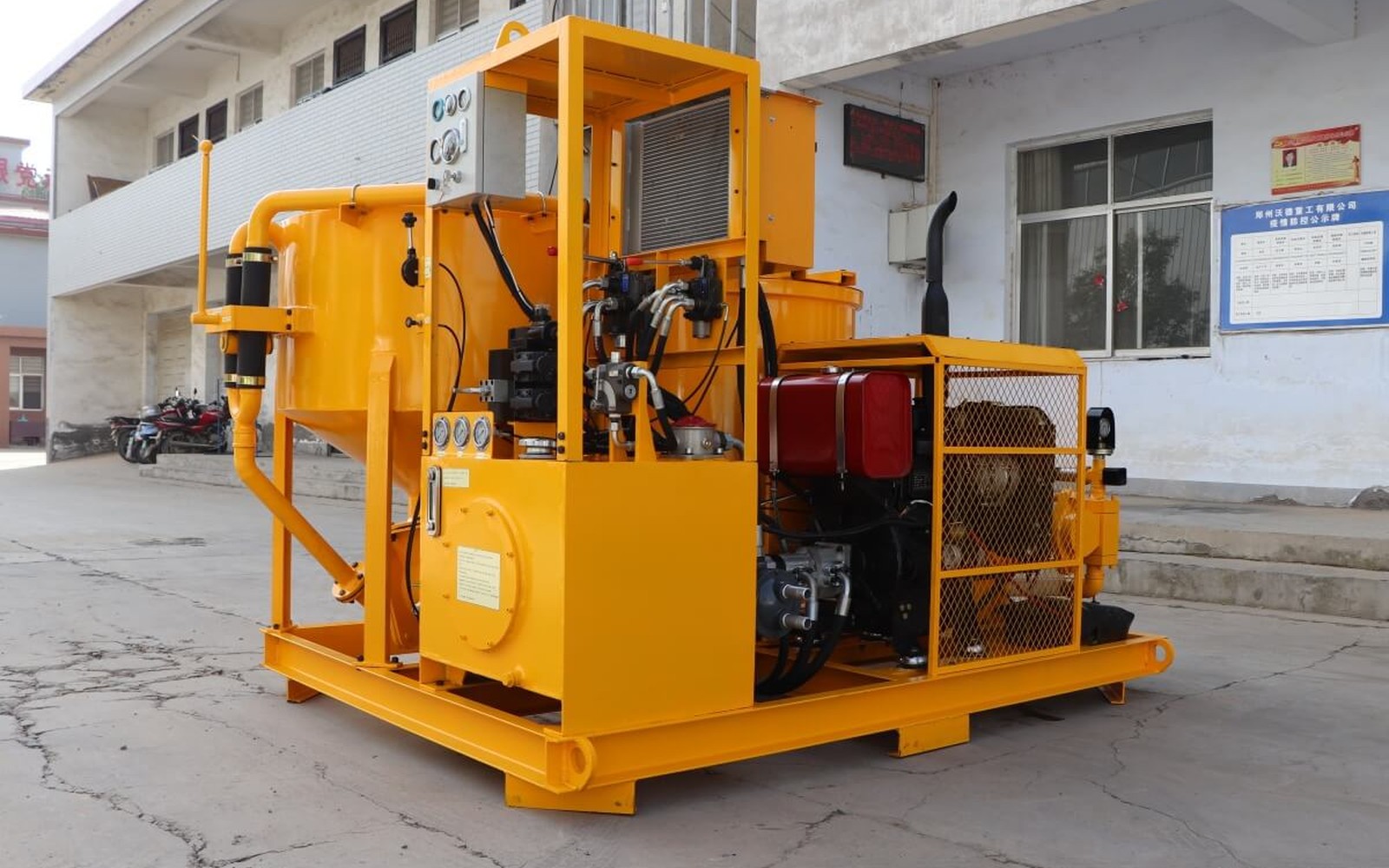
Shotcrete is unforgiving about consistency. A mix that arrives from a distant plant with slump drift or set initiation already underway creates defects you cannot patch away. The margin in spray work lives in the mix, and a shotcrete volumetric mixer is the tool that puts that mix entirely in your hands. You batch at the nozzle site, not at the plant. You dial in water-cement ratios fresh. That control is what separates a clean rebound percentage from a messy, expensive one.
We specialize in financing volumetric equipment for contractors who understand that on-site batching is a profit play, not just a convenience. Our minimum is $50,000, with the sweet spot between $100,000 and $150,000 and above. We work with new and used units, B/C credit borrowers, and operators who are just building their spray-concrete book. Application-only financing is available up to around $400,000, and most deals fund in one to two weeks.
What Makes a Shotcrete Mixer Different
Shotcrete volumetric mixers share the core architecture of any volumetric concrete mixer truck: separate aggregate, cement, and water compartments with metered delivery. The difference is in the output configuration. These units are optimized for pump or nozzle attachment, producing a wetter slurry on the dry-process side or a consistent wet mix on the wet-process side depending on the contractor's method.
Dry-process shotcrete, where dry mix is conveyed through a hose and water is introduced at the nozzle, demands precise cement metering. Wet-process systems push a pre-mixed slurry directly through the pump. Either way, freshness matters. A volumetric unit gives the nozzle operator mix that was batched seconds ago, not an hour ago, which reduces accelerator dosage, tightens rebound, and improves bond strength on the receiving surface.
Typical shotcrete volumetric mixers run on truck chassis from Class 7 to Class 8, though some contractors use trailer-mounted volumetric mixers when they need to position the unit without moving the cab. Cement capacity on most production units runs from four to eight tons per load. Output rates depend on the pump attached, but volumetric batching keeps the feed consistent so the pump runs without starvation pauses.
Who Needs This Equipment
Shotcrete and gunite contractors are the obvious buyers. Pool shells, tunnel liners, slope stabilization, retaining structures, and mine support all pull from this segment. But the demand is broader. Bridge and infrastructure contractors use shotcrete volumetric units for deck rehabilitation and column encapsulation, where access limits conventional forming and placing. Underground utility contractors use them for manhole rehabilitation and culvert lining.
The financial profile of the typical buyer tends toward either a specialty concrete firm adding a second revenue stream or an established shotcrete operator replacing aging iron. Both profiles qualify. The specialty firm shows concrete revenue and sometimes new contracts to secure. The operator replacement often has strong cash flow and equipment equity to bring into the deal as a Sale-Leaseback to reduce the out-of-pocket on the new unit.
- Shotcrete and gunite pool contractors
- Slope and erosion stabilization crews
- Mining and tunnel support operators
- Bridge rehab and DOT subcontractors
- Manhole and culvert lining specialists
New vs. Used Units: Where the Deals Are
A new shotcrete volumetric mixer from a major builder carries a price tag that typically starts above $200,000 once you add the pump integration, chassis upgrades, and commissioning. Startup financing is available for new units, and for borrowers with strong credit the terms on a new unit are straightforward. But the used market for these machines is active and instructive.
Used shotcrete volumetric units often appear when operators upgrade from one size class to the next, retire a truck, or consolidate their fleet after contract losses. A well-maintained used unit with rebuilt metering systems and a fresh truck chassis can deliver identical output to a new unit at sixty to seventy percent of the price. We actively finance used equipment and do not penalize borrowers who choose that route. Used equipment financing at our shop runs on the same timeline as new, with the same credit flexibility.
The main due-diligence item on a used shotcrete unit is the cement screw and aggregate belt wear. If those components have been recently replaced, the machine has years of production left. Ask the seller for service records and get an independent inspection when the number is above $100,000.
How Quickly You Can Have Funds
The financing process here is not complicated. For equipment up to around $400,000, we can often work on an application-only basis, meaning no full tax return package, no audited financials, and no lengthy underwriting committee. You fill out the application, we pull business credit, and we go to work. Most borrowers have an approval in hand within a few business days and funded within one to two weeks of signing docs.
Deals above $400,000 or situations with credit complexity need a little more paper: typically three months of business bank statements and sometimes a year-end P&L. That adds a few days but not weeks. We move faster than a bank because we specialize in equipment, we know what shotcrete volumetric mixers are worth as collateral, and we are not running deals through a generalist committee that has never seen one of these units.
Common Questions
Buyers have consistent questions across the process. Here are the ones we hear most.
Get Your Shotcrete Mixer Financed
If you have a unit in mind, a quote from a dealer, or a private-party sale to close, reach out now. We handle private-party purchase financing as well as dealer transactions. Tell us the unit, the price, and the basics about your business. We will come back with real options, not ballpark guesses.
Operators working in Houston, Phoenix, and similar high-volume metro areas tend to move fast on units that hit the market. Having your financing dialed in before you find the truck gives you the speed to close before another buyer steps in.