
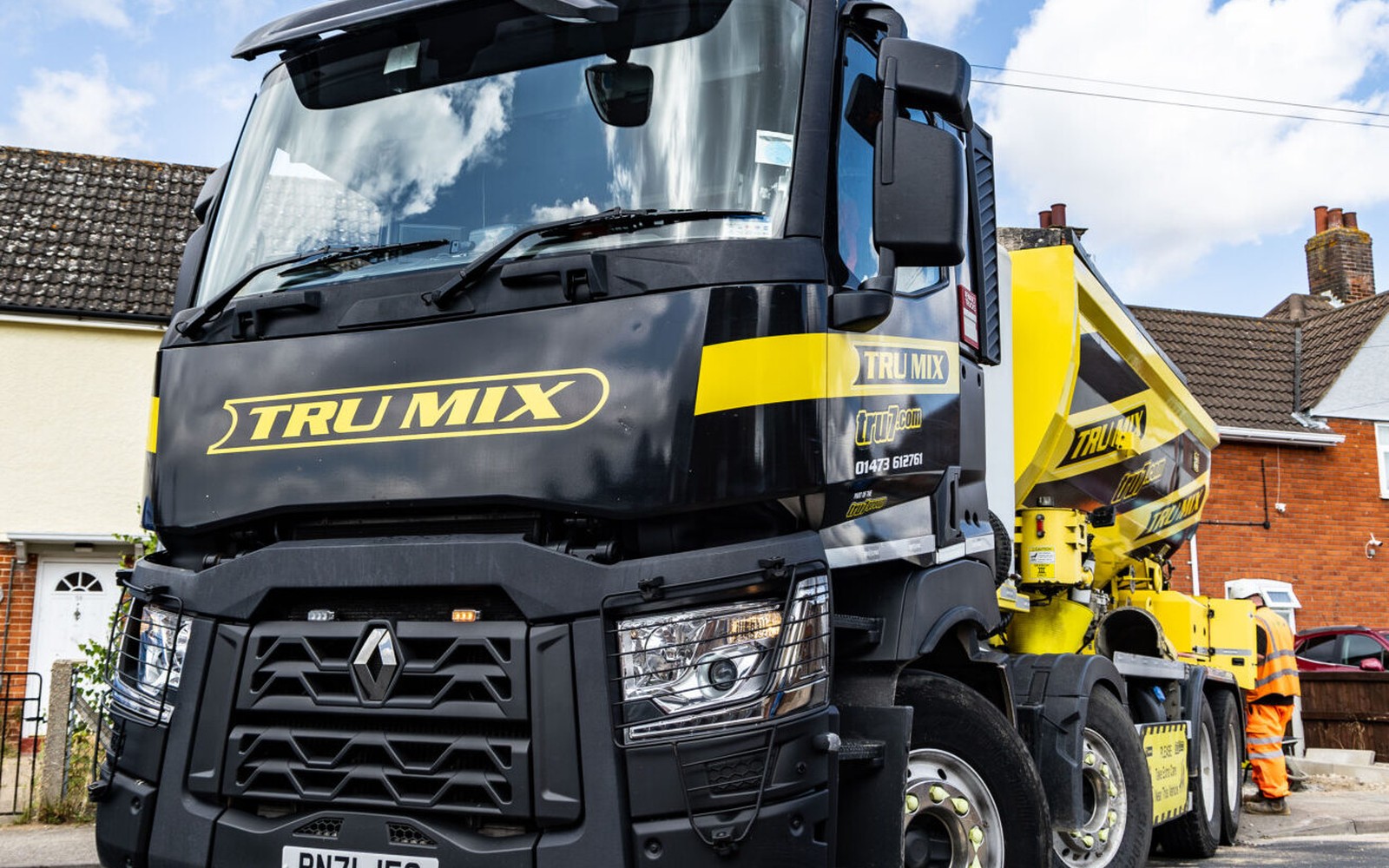
Some of the best mixer deals do not come from dealers. They come from a contractor who is retiring, a company that is restructuring, or an operator upgrading who wants to sell quickly to someone who knows the machine. Buying directly from the previous owner often means a lower price and a more honest conversation about the machine's history. The financing for those transactions is available, but it works differently than a dealer purchase, and knowing the extra steps in advance keeps the deal from stalling.
Private-party volumetric mixer financing requires the lender to work through a few additional verification steps that a dealer handles automatically. No standardized invoice package, no established dealer relationship, no pre-set pricing from a recognized source. Instead, we verify the machine's identity and value independently, confirm clean title, and structure the payoff to go directly to the seller. Operators buying from concrete contractors who are scaling back or exiting the market use this structure regularly, and it closes cleanly when the paperwork is organized correctly from the start.
How Private-Party Mixer Financing Works
The core transaction is the same as a dealer purchase: you borrow against the equipment, make monthly payments, and the lender holds a lien until payoff. The differences are in the documentation and the closing mechanics.
Key steps specific to private-party transactions:
- Machine identification: VIN/serial number must be confirmed and match the title
- Title check: Lender searches for existing liens; seller must provide payoff or clear title before funding
- Value verification: Without a dealer invoice as a price anchor, the lender determines value through market comparables, an appraisal, or a documented inspection
- Bill of sale: A signed bill of sale between buyer and seller establishes the purchase price and transfers interest
- Funding mechanics: Lender typically funds directly to the seller (and to the seller's existing lender first if there is a payoff), not to you
- Title transfer: The title must transfer to you and the lender's lien must be recorded before the deal is complete
A used volumetric mixer bought through a private-party transaction can take a day or two longer to close than a comparable dealer purchase because of the title coordination and independent value verification. Planning for a two to three week timeline rather than one week is smart for private-party deals.
What Makes a Private-Party Mixer Transaction Financeable
Not all private-party deals can be financed as-is. The transaction needs to meet certain conditions that a lender can underwrite with confidence:
Clean Title
The seller must have a clear title or the proceeds of the sale must be sufficient to pay off any existing lien on the machine. If the seller still owes on the mixer, the financing payoff and the sale must be coordinated so the existing lender's lien is released at closing. Buying a machine with an undisclosed lien is a serious problem that title search is designed to prevent.
Reasonable Purchase Price
Lenders finance based on a percentage of the machine's market value, not just the contracted sale price. If you are buying a mixer at a price significantly above current market value, the lender may limit financing to a percentage of what they determine the machine is worth, requiring you to cover the gap in cash. Conversely, a great deal at below-market price is generally fine from a financing standpoint since the collateral more than covers the loan.
Documented Machine Condition
An inspection from a qualified mechanic or equipment company familiar with volumetric concrete equipment is highly recommended for any private-party purchase and is sometimes required by the lender. The inspection report establishes what the machine is and what condition it is in, which directly supports the value determination. Units from well-documented brands like volumetric mixer manufacturer financing or ProAll are easier to evaluate and finance than obscure or unbranded machines.
Organizing the Private-Party Deal to Close Quickly
The biggest delays in private-party transactions come from title issues and inspection coordination. A seller who has not pulled the title to look at it in five years may discover complications that need to be resolved before closing. Here is how to set up a smooth transaction:
- Ask the seller for the title before you apply for financing. Verify the seller's name matches, check for any recorded liens, and confirm the VIN matches the machine.
- Order an inspection before or simultaneously with the financing application. Do not wait for loan approval before scheduling the inspection.
- Get a signed bill of sale or purchase agreement drafted before closing. This document anchors the transaction for the lender.
- Confirm the payoff amount if the seller has an existing loan. The lender needs this number to structure the funding correctly.
Operators in rural markets or buying machines being sold by contractors in Casper, WY or Bismarck, ND sometimes face additional title processing time due to state DMV timelines. Account for those local processing windows in your closing schedule.
Private-Party Financing Versus Dealer Purchase Financing
Dealer purchases are faster and simpler to finance because the dealer handles most of the paperwork coordination and often has established relationships with lenders. The trade-off is that dealer pricing typically reflects overhead and profit margin that a private seller does not carry. A machine available at $20,000 to $30,000 below dealer pricing often more than compensates for the extra effort and one or two additional weeks of closing time on a private-party deal.
If you are comparing a private-party purchase to a dealer purchase for the same type of machine, the financing decision should factor in total cost of acquisition (price difference plus any additional inspection or legal costs) rather than just the financing terms themselves. The used equipment financing page covers the broader landscape of buying used mixers through all channels, including dealer, auction, and private party.
For operators buying in larger markets and sourcing through the network of ready-mix concrete suppliers and contractors selling off older equipment, private-party transactions are a steady source of well-maintained machines at fair prices. Building the relationships that surface those opportunities before they hit the public market is part of how experienced operators build their fleet cost-effectively.
Private-Party Deals in the Volumetric Mixer Market
The volumetric concrete mixer market has a strong private-party trading ecosystem. Operators who have built their business on a specific machine and are transitioning, retiring, or upgrading regularly sell their units directly to the next operator. These transactions happen through word of mouth, industry associations, online equipment marketplaces, and direct outreach to contractors who are known to be in the market.
The machines that move most often through private-party channels are those that are three to eight years old: new enough to have meaningful remaining life but old enough to have moved past the dealer's certified pre-owned programs. A six-year-old unit from a recognized manufacturer, maintained by a single owner-operator with a full service history, is exactly the kind of machine that private-party buyers target and that lenders can finance confidently.
Operators working in regional markets like Fresno, CA or Oklahoma City, OK often find that the regional concrete contractor community is small enough that opportunities surface through personal relationships before they hit any public listing. Building those relationships proactively is part of how smart operators source quality iron at below-market prices. When the opportunity comes, having financing pre-approved means you can move on it without the delay of starting an application from scratch. An operator serving agricultural and farm construction in rural markets may find that word-of-mouth private-party deals are actually the primary channel for quality used equipment in their area.
Have a Private-Party Mixer Deal in Progress?
Tell us about the machine and the seller. We know what documents we need and we will guide you through the coordination. Private-party deals are not unusual for us; we close them regularly and can tell you quickly what additional steps your specific situation requires.