
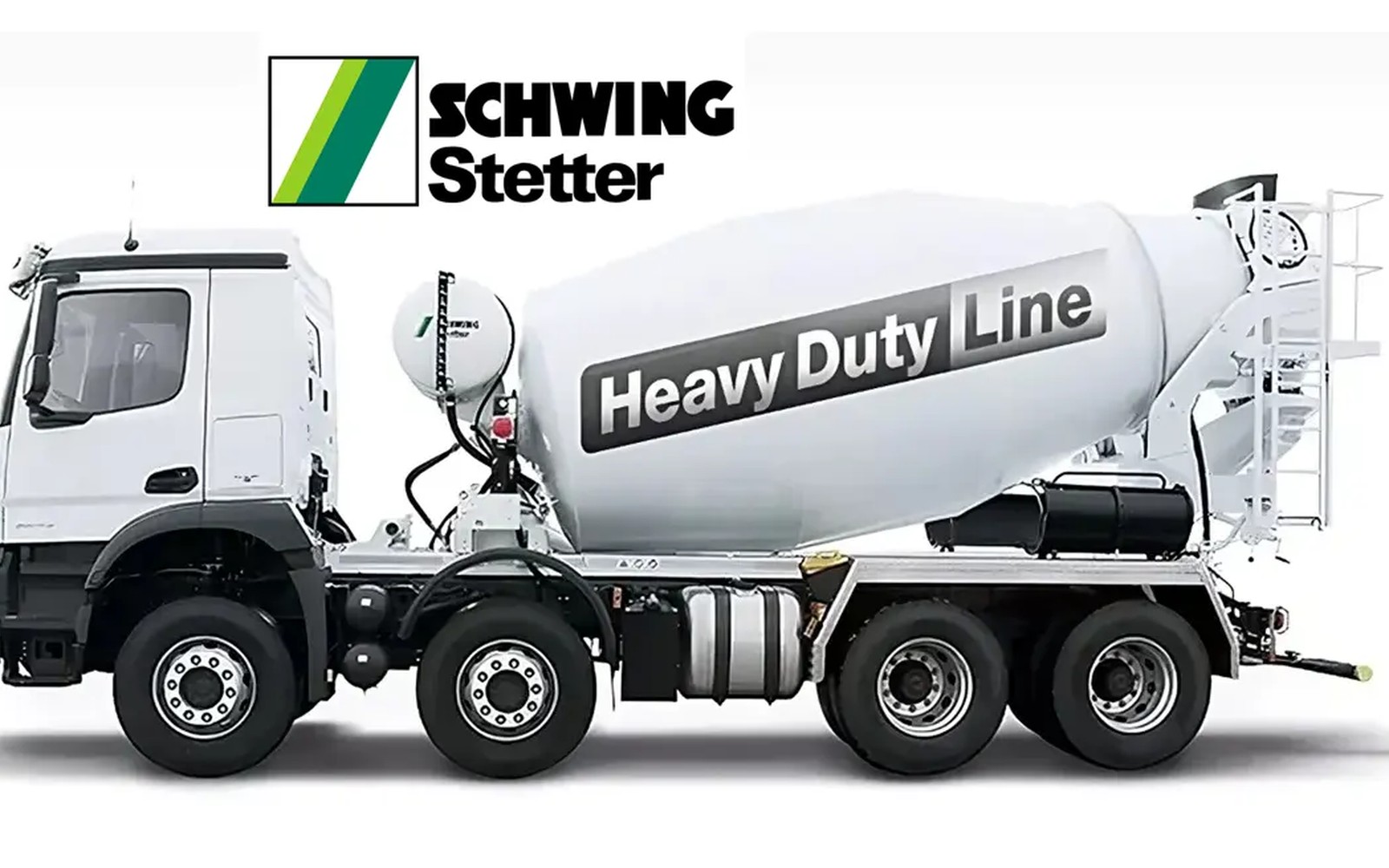
Cellular concrete, sometimes called foam concrete or lightweight concrete, opens up work that conventional concrete simply cannot do. Fill an annular space without adding dead load. Stabilize a sinkhole without overloading the surrounding ground. Insulate a roof deck with monolithic pour. These applications come with premium pricing, and a cellular concrete mixer truck is the equipment that makes them possible. The margin in this niche is significant, and the competition is thin because the equipment is specialized.
We finance cellular concrete mixer trucks for operators who have found their way into this specialty segment or are positioned to enter it. Our minimum is $50,000 and the typical deal for a production-ready cellular unit lands between $100,000 and $200,000 depending on the foam generator system and output capacity. We fund new and used units, work with B/C credit, and can close in one to two weeks for most applicants.
What Goes into a Cellular Concrete Unit
A cellular concrete mixer truck is a volumetric platform that integrates a foam generation system with the standard cement-slurry mixing process. The base is a cement-and-water slurry, typically produced by the volumetric unit at controlled ratios. The foam generator takes a protein- or synthetic-based foaming agent, adds compressed air, and produces a stable foam that is introduced into the slurry stream at metered rates. The ratio of foam to slurry determines the density of the finished product, which can range from under 20 pounds per cubic foot to over 60 pounds per cubic foot depending on the application.
The resulting material is pumpable, self-leveling, and sets in a few hours. It does not require vibration or compaction. Output densities can be adjusted on the fly, which means one truck can serve an insulation fill at 25 pcf on Monday and a void fill at 50 pcf on Tuesday simply by changing the foam injection rate. That versatility is a key selling point over dedicated lightweight fill products.
Related equipment that some operators pair with cellular concrete trucks includes the grout volumetric mixer for projects that combine cellular fill with structural grout in the same structure, and the mobile concrete pump-and-mixer combo for projects where the cellular material needs to be pumped to elevation.
Operators Who Run Cellular Concrete Trucks
Cellular concrete is used in a surprising range of applications, and the buyer profile for these trucks reflects that breadth. Road and highway construction contractors use cellular concrete for bridge approach fills, where lightweight fill behind abutments reduces settlement and eliminates surcharge periods. That is a high-volume DOT application that repeats across every state with active bridge programs.
Reroof insulation contractors use cellular concrete for slope-to-drain fills on flat commercial roofs, creating a monolithic insulating layer that saves labor compared to cutting foam board. Underground utility contractors use it to abandon old sewer lines, tanks, and tunnels. Mining and aggregate operations use cellular concrete to fill old mine workings and stabilize subsidence-prone ground. The customer list is long, and repeat business is common once an operator builds a reputation in the niche.
- DOT bridge approach fill contractors
- Commercial reroof insulation crews
- Void and sinkhole stabilization specialists
- Old sewer and tunnel abandonment contractors
- Precast producers adding lightweight mix capability
New and Used Cellular Concrete Units
New cellular concrete mixer trucks are expensive because the foam generation system adds cost to the base volumetric unit. A fully configured new unit with a high-output foam generator, variable density control, and a modern volumetric chassis can run well above $200,000. Buyers with strong credit can finance a new unit on an equipment loan with terms out to 72 months.
The used market for cellular concrete trucks is smaller than for general concrete equipment, but it exists. Units come available when operators retire, change focus, or upgrade to higher-output systems. A used cellular concrete truck at half the new price, with a rebuilt foam generator and a serviceable truck chassis, can be a very strong entry point for an operator adding this capability for the first time. We finance used units on the same terms as new, with the same credit flexibility. Used equipment financing is available regardless of the unit's age, provided it is operational and titled clearly.
Approval and Funding Timeline
Most cellular concrete mixer truck deals fall within our application-only threshold of approximately $400,000, which means the application process is lean. Complete the credit application, provide your business history, and we pull business credit. Approvals typically come back within a few business days. Funding follows within one to two weeks of signed documents.
For borrowers in the B/C credit range, or for deals that are larger or more complex, we ask for three months of business bank statements. That adds a bit of review time but not weeks. Operators in Las Vegas or Tampa, where commercial construction activity drives frequent cellular concrete applications, tend to find that their revenue history makes a strong case even when personal credit is not at the prime level.
Questions on Cellular Concrete Truck Financing
Buyers of these specialized units tend to have questions we do not hear for general concrete equipment. Here are the common ones.
Get Financing for Your Cellular Concrete Truck
If you are building out a cellular concrete service offering or replacing an existing unit, connect with us now. We understand this equipment, we know its collateral value, and we move faster than most lenders who have never seen a foam generator attached to a volumetric mixer. Tell us the unit, the price, and your business background. We will come back with real terms on a real timeline.
Operators adding application-only financing to their options often find it opens doors that bank financing does not. The paperwork is lighter and the decision comes faster.