
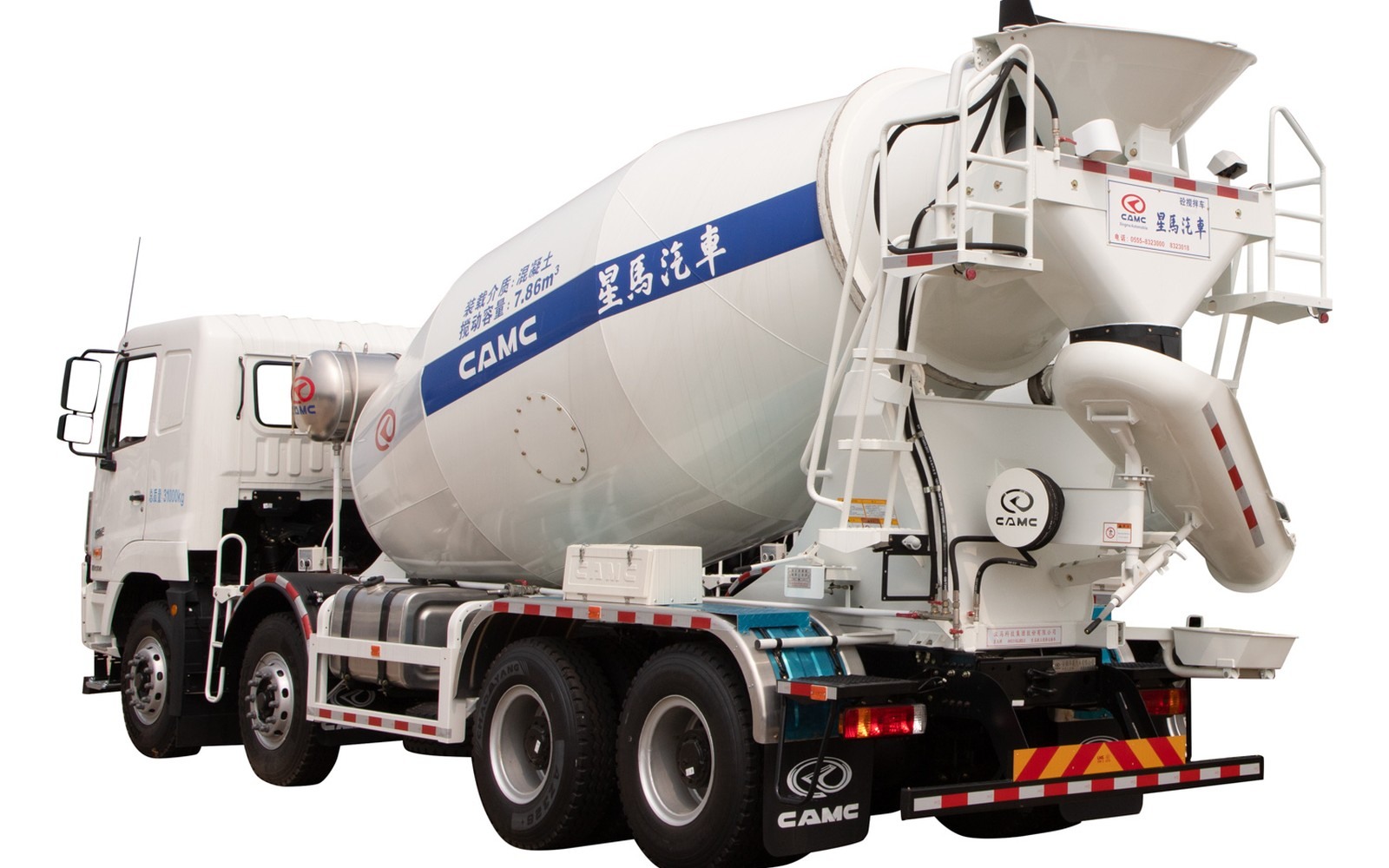
Concrete shows up in every phase of mining and aggregate operations, from the initial site development through active production to reclamation. Crusher foundation pads, conveyor support structures, portal linings, settling pond berms, equipment maintenance building slabs, explosive magazine pads, and scalehouse foundations all require concrete in quantities and locations that plant delivery cannot efficiently serve. A mine is its own geography, often miles from the nearest road and far beyond practical batch plant range. Volumetric batching on site is not a cost option in mining, it is the logistics solution that makes concrete work in that geography possible at all.
Mining contractors and operations that own a mobile batch plant truck control their concrete supply across the full project timeline. No plant dependency, no delivery window, no partial-load charges on the dozens of small equipment pads and anchor pours that a mining operation generates throughout its life. The truck loads at an aggregate stockpile on the property, batches at each pour location, and moves on. The operation does not wait on a concrete delivery schedule.
We finance volumetric mixers for mining and aggregate operations. Our minimum is $50,000. Production units suitable for mining site work typically run $100,000 to $150,000 and above. We work with B/C credit, new and used equipment, and private-party purchases. Most financing completes in about one to two weeks from a full application.
Where Concrete Appears in Mining Operations
Active mining sites generate concrete demand across multiple categories. Development concrete, placed during initial site build-out, includes crusher plant foundations, primary and secondary screen pads, conveyor truss footings, and ROM bin structures. These are large, engineered pours that require documented mix design and inspection. A volumetric unit with metering documentation capability handles these pours as credibly as a plant truck, with better logistics in a remote setting.
Ongoing operational concrete at a producing mine includes replacement equipment pads, generator base pours, explosive storage magazine structures, and laboratory building slabs that appear throughout the mine's operating life. These pours happen on the mine's schedule, not the plant's, and often need to happen during maintenance windows when production is down and the crew is ready. A volumetric unit on site means the pour happens when the window opens, not when a plant truck can get there.
Underground mining generates its own concrete requirements, including shotcrete volumetric mixer applications for ground support, portal linings, shaft collars, and pump station walls. Underground shotcrete is one of the primary ground support methods in modern hard rock mining, and producing it on site at or near the portal eliminates the logistics of trucking wet mix underground.
Mining and Aggregate Operations That Benefit Most
Aggregate producers with on-site crushing and screening plants are strong candidates for volumetric ownership because they sit on top of their own aggregate supply. The crusher produces the aggregate that the volumetric unit needs, and cement arrives by bulk truck at relatively low cost per unit. The spread between producing concrete from those inputs and buying from a ready-mix plant is substantial, and at the volumes a large aggregate operation runs, that spread represents significant capital over the life of the operation.
Mine construction contractors who build infrastructure for new mining operations face the remote-access concrete problem in its most acute form. A greenfield mine site may have no plant within an hour. A construction contractor who brings a volumetric unit to a remote mine build is the difference between a project that runs efficiently and one that struggles with concrete supply every week. Contractors who pursue mining construction work should treat volumetric batching as baseline equipment for any mine site contract.
Hard rock mining contractors in the Mountain West, particularly in states like Nevada, Colorado, and Arizona, work in terrain where the combination of altitude, distance from population centers, and rough access routes makes plant delivery impractical on most projects. Contractors in markets like Reno, NV or Denver, CO who target mining work need volumetric capability to compete effectively for remote mine contracts.
Volumetric Equipment Configured for Mining Work
Mining site concrete work demands durable equipment that can handle rough access roads, aggregate loading from stockpiles rather than plant silos, and extended on-site deployment without returning to a plant for refills. The right configuration for mine work includes robust chassis, high-clearance suspension, and oversized aggregate bins that allow a full day of production without a material reload.
A volumetric mixer cement silo trailer deployed at the mine site allows a contractor to keep a full cement supply on site without daily trips to a cement terminal. For a remote mine at significant distance from the nearest bulk terminal, on-site cement storage is the difference between running the volumetric unit productively and managing a logistics chain that limits production to what can be delivered in a truck load at a time.
For underground work specifically, a compact high-strength shotcrete configuration that fits the mine's portal dimensions and haul road grades is essential. Large highway trucks are often inappropriate for underground mine access. Manufacturers who build underground-rated volumetric and shotcrete equipment are worth specifying for any operator with underground mine work in scope. We finance any configuration regardless of the specialized build.
Financing for Mining Operations and Contractors
Mining operations and mine construction contractors present varied credit profiles. A large operating mine with multi-year production and documented revenue is a favorable financing candidate. A mine construction contractor whose business is project-based may show more variable revenue that requires more context in the underwriting review.
An equipment loan is the standard choice for most operations: you own the truck, depreciate it, and build equity as the balance decreases. For operations with substantial taxable income, Section 179 or bonus depreciation in the purchase year can be a meaningful tax planning tool. An equipment lease is relevant for contractors who want to preserve working capital for mobilization costs that mine contracts require upfront.
B/C credit equipment financing programs handle mining contractors and operators who have credit marks from a previous commodity price cycle or a project that ran into financial difficulty. The nature of the business and the current cash flow carry weight in how those programs evaluate the file. A mine contractor with strong current revenue and a credit mark from two years ago is a different file than the score alone suggests.
Frequently Asked Questions
Mining and aggregate operations ask us these questions most often before financing a volumetric unit.
Finance the Concrete Supply Your Mine Site Needs
Apply today. Most mining contractor and operation applications complete the review in one to two weeks. Compare loan options, explore B/C credit programs if your credit profile needs a specialized lender, or talk to us about a shotcrete-capable unit for underground applications. Remote mine sites need concrete on site, and we help you get the equipment financed to provide it.