
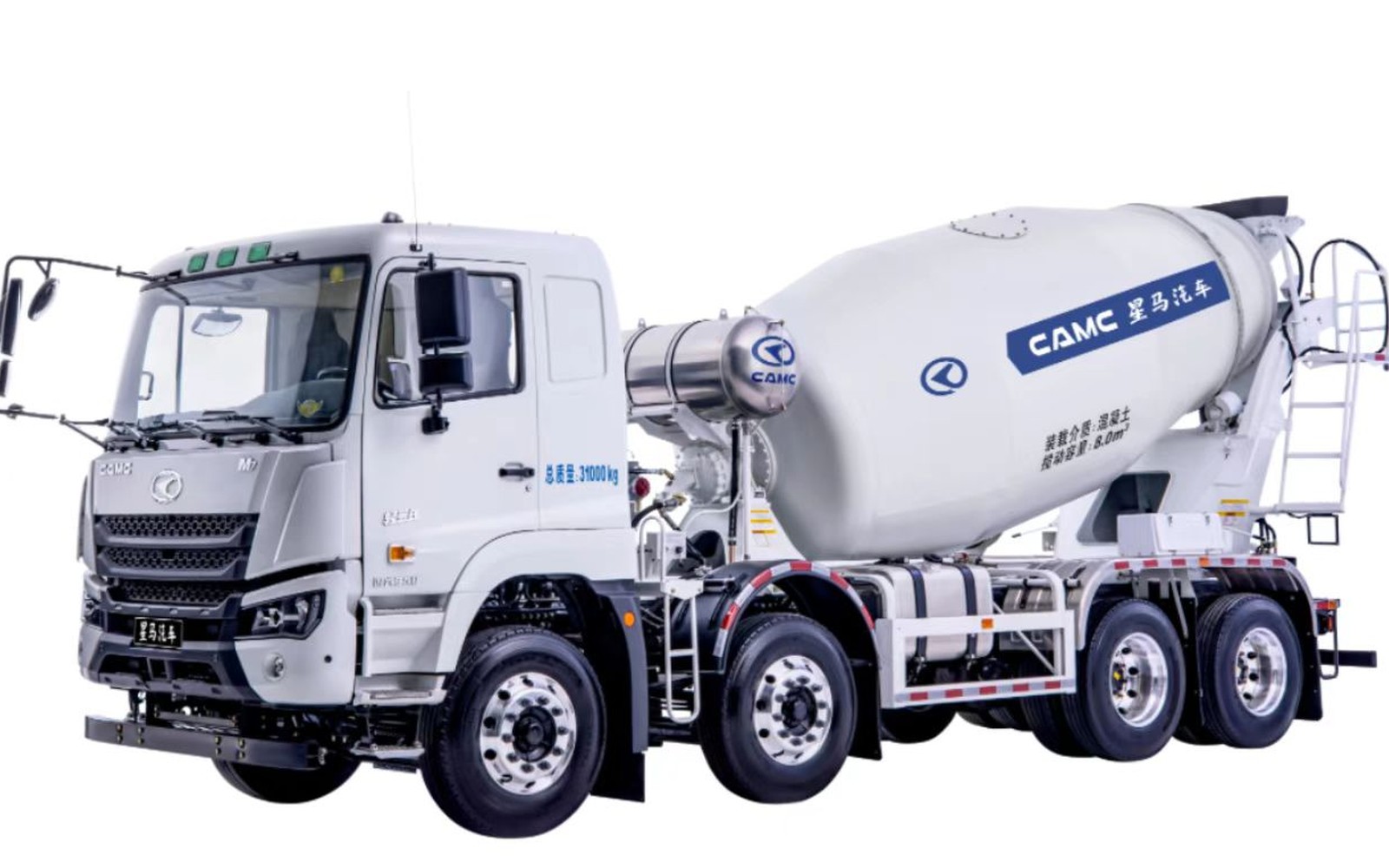
One operator, one machine, no loader, no plant supply truck. A self-loading concrete mixer handles the entire batching cycle independently: it scoops aggregate with its front bucket, loads cement automatically, measures water, and mixes continuously as it drives to the pour location. For small concrete operations working remote sites or rural jobs where a support crew is not practical, this is the one-person concrete production model that actually pencils out.
Self-loading mixers have grown significantly in the European market and are gaining traction among rural and specialty concrete operators in North America. We finance these units starting at $50,000, with application-only approval available to approximately $400,000 and B/C credit considered. Funding typically takes one to two weeks from a complete application.
How a Self-Loading Mixer Operates
A self-loading concrete mixer is a compact, self-propelled machine with four-wheel drive and typically a rotating drum rather than an auger-based volumetric mixing system. The front-mounted loading bucket scoops aggregate directly from a stockpile alongside the machine. Cement is loaded from a bag-feeding station or small silo mounted on the machine. Water is metered from an onboard tank. The drum rotates during mixing and travel, and the drum tilts to discharge at the pour location.
Output capacity on common self-loading mixer models ranges from about 1 to 4 cubic yards per batch. Cycle times vary by batch size and haul distance within the site, but typical production rates of 10 to 20 yards per shift are realistic on residential and light commercial work.
The self-loading design eliminates the front-end loader or support truck that a conventional volumetric mixer needs to refill aggregate bins. This is the core operational advantage: one operator produces, loads, mixes, travels, and discharges without any additional equipment or personnel. For rural and remote jobsite contractors operating in areas with limited crew availability, this self-sufficiency is a meaningful competitive advantage.
Compare the self-loading format to a small volumetric mixer truck configuration. Both serve small-volume markets, but the self-loading unit is designed for on-site use rather than road travel, while the volumetric truck drives between jobs.
Who Operates Self-Loading Mixers
Self-loading concrete mixers have a clear operator profile.
Small concrete contractors serving rural areas. Farming communities, mountain properties, and rural residential subdivisions often lack ready-mix plant access within a practical haul distance. A self-loading mixer paired with locally stockpiled aggregate gives a single-operator business the ability to produce quality concrete independently.
General contractors who pour occasionally. A general contractor who does not specialize in concrete but needs to pour footings, sidewalks, or small slabs on their own projects benefits from a self-loading unit that handles those pours without calling a concrete sub. The economics of owning the batching capability outweigh the cost of subcontracting once the volume reaches a tipping point.
Operators serving agricultural and farm construction markets frequently find self-loading mixers to be the ideal format for grain bin bases, barn footings, and feeding pad construction where aggregate is available on site or nearby, pour volumes are moderate, and plant access is impractical.
Self-loading mixers are less common in commercial concrete and infrastructure work where output volumes are too high for the compact machine's production rate. Those markets are better served by truck-mounted volumetric units or full mobile batch plant trucks.
Financing a Self-Loading Mixer
Self-loading concrete mixers are classified as compact construction equipment, similar to skid steers or compact track loaders, for financing purposes. This classification matters because lenders who specialize in construction equipment are comfortable with the asset type and the operator profile.
Most self-loading mixer deals fall landing between $80k and $200k for new units. Used units from importers and dealers trade lower. The application process is the same as any equipment loan: a one-page credit application, three months of business bank statements, and the equipment details. Decisions come back in 24 to 48 hours on most deals.
An equipment loan is the most common structure: fixed payments, fixed term, title transfers at payoff. An equipment lease preserves more operating capital upfront and may suit operators who want to try the format before committing to long-term ownership.
Operators who are expanding an existing concrete business to include a self-loading unit should also consider whether a private-party purchase financing structure is relevant if they are buying from another operator rather than a dealer.
Related Equipment and Financing Options
If a self-loading mixer is one piece of a larger equipment picture, here is how related decisions connect.
- A self-loading mixer can be complemented by a volumetric mixer cement silo trailer parked at the site to supply the machine's cement needs for multi-day pours without frequent resupply trips.
- Operators who eventually scale beyond what a self-loading unit can produce may transition to a full truck-mounted volumetric mixer. We can structure financing that retains both units or replaces one with the other.
- If the self-loading mixer purchase comes with a Section 179 deduction opportunity, structuring the loan to maximize year-one depreciation benefit may reduce the effective financing cost significantly. Ask your accountant before the deal closes.
Get Your Self-Loading Mixer Financed
One-page application. B/C credit considered. Funding in about one to two weeks. Apply today and tell us about the machine and your business. The right lender gets matched to your file and structure.