
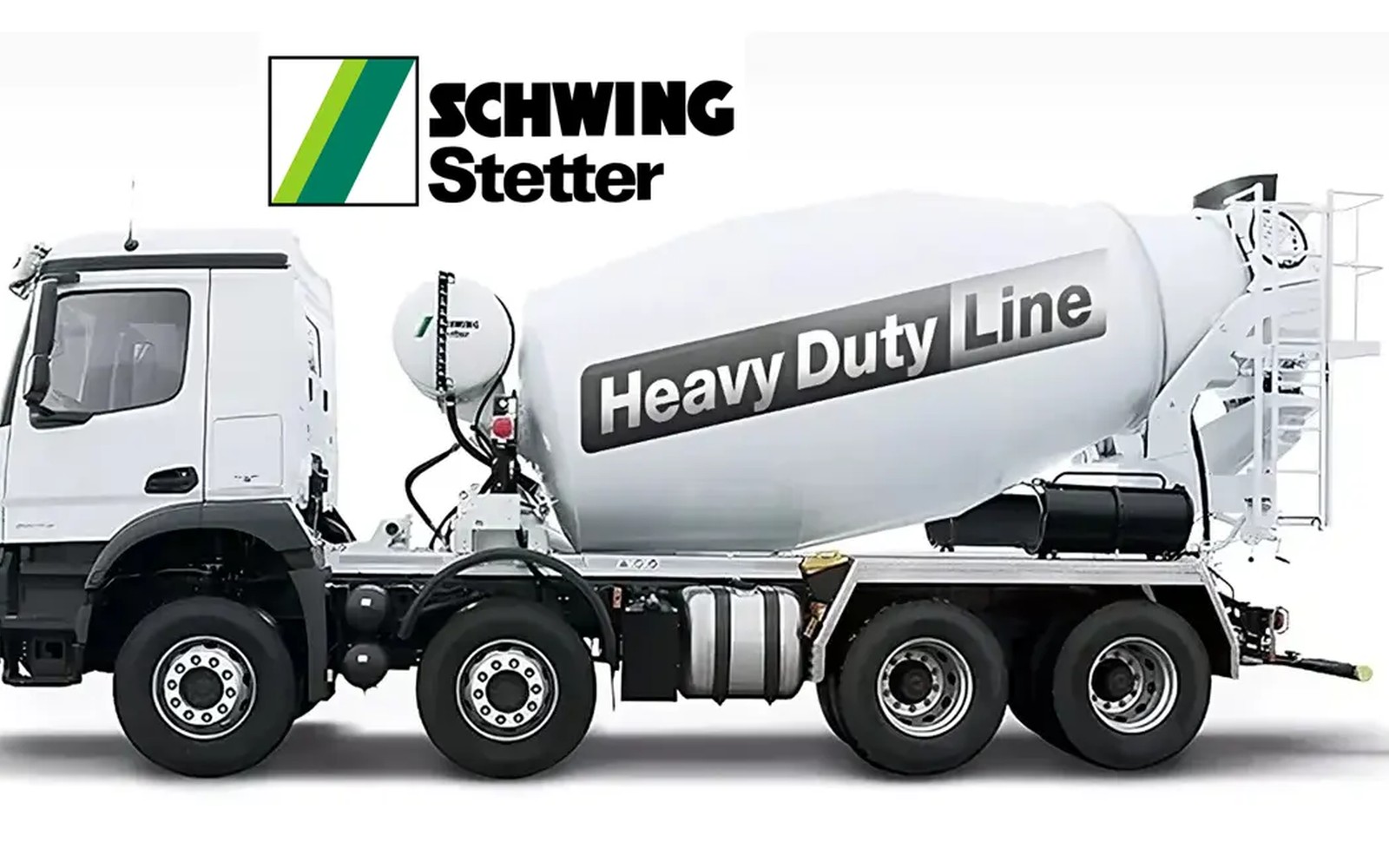
Consistent aggregate feed is one of the foundations of consistent concrete quality, and a conveyor-belt concrete mixer achieves that consistency through a belt delivery system that moves aggregate from the bins to the mixing chamber at a calibrated, controlled rate. The belt architecture allows very accurate volumetric metering of aggregate proportions, which matters for operators who need batch-to-batch repeatability on demanding concrete specifications. You batch on site, you keep the margin, and the belt delivers the aggregate as precisely as the mix design requires.
We finance conveyor-belt concrete mixers, new and used, starting at $50,000. Application-only approval runs to approximately $400,000, and B/C credit operators are considered alongside prime borrowers. Funding typically closes in one to two weeks.
How Belt-Fed Mixing Works
In a conveyor-belt concrete mixer, aggregate is delivered from the bins to the mixing zone via one or more rubber belts rather than an auger screw. The belt speed and belt load depth determine the volume of aggregate delivered per unit time. By adjusting belt speed and controlling the aggregate gate opening, the metering system achieves precise volumetric delivery of each aggregate fraction.
Belt-fed designs tend to be gentler on aggregate than auger-fed systems when fragile or angular aggregate types are used. Aggregate that is prone to breakage under auger pressure maintains its gradation more consistently through belt delivery. For concrete applications where aggregate gradation is a critical specification parameter, the belt-fed design may produce better gradation consistency than a comparable auger system.
Cement is delivered separately, typically through a screw conveyor from the cement compartment to the mixing zone. Water is metered through a flow meter system. Admixtures are added at calibrated rates through separate tanks. The mixing zone, which may be an auger-type blender, a paddle mixer, or a drum, blends the belt-delivered aggregate with the cement and water to produce finished concrete.
For output volumes that demand high-capacity aggregate handling, the belt system can move material faster than many auger configurations, which is why belt-fed designs appear in several high-output volumetric mixer platforms where sustained throughput is the priority.
Who Uses Conveyor-Belt Concrete Mixers
Conveyor-belt concrete mixers appeal to operators who prioritize aggregate gradation accuracy and smooth high-volume material flow.
Operators producing specification-grade structural concrete. DOT, municipal, and commercial structural concrete specifications often call for tight aggregate gradation compliance. Belt-fed aggregate delivery that maintains the original gradation through gentle conveying, without the abrasion that aggressive auger flights can introduce, helps those operators meet spec on fragile or angular aggregate types. Bridge and infrastructure contractors who work to tight structural specifications are natural users of belt-fed batching systems.
High-production mobile concrete operations. When daily yardage targets push the mixing system to its throughput limits, the belt-fed design allows aggregate feed rates that keep pace with high-demand pour operations. Operations serving commercial concrete contractors on large pours benefit from the throughput characteristics of the belt system at maximum production rates.
Operators using specialty aggregate types. Recycled concrete aggregate, expanded clay, and other specialty materials may require the gentler handling of a belt-fed system to maintain the aggregate properties through the mixing process. A belt also handles very fine aggregate materials that might bridge or compact in an auger-fed system.
Financing Conveyor-Belt Mixer Equipment
Conveyor-belt concrete mixers finance as commercial equipment through the same path as auger-feed volumetric units. The belt architecture does not change the basic loan structure or documentation requirements. Lenders evaluate the machine's market value, your credit profile, and the business's cash flow in the bank statements.
For deals within the application-only range up to approximately $400,000, the documentation is minimal. A one-page credit application, three months of business bank statements, and the equipment details are the starting point. Most decisions come back in 24 to 48 hours, and funding follows in about one to two weeks.
Common structures include an equipment loan with fixed payments and clear title at payoff, or an equipment lease for operators who want payment flexibility and an upgrade path at term end. For belt-fed mixer purchases from private sellers or estate liquidations, private-party purchase financing is available with our financing desk.
Operators in active construction markets like Atlanta, GA or Houston, TX can access pre-qualification that speeds the process when a specific belt-fed unit comes available in the dealer or private market. Pre-qualification takes the financing uncertainty out of the buying decision.
Comparing Belt-Fed and Auger-Fed Options
The choice between a conveyor-belt concrete mixer and an auger-feed concrete mixer depends on your specific production requirements.
- Aggregate type: Fragile, angular, or specialty aggregate benefits from belt delivery. Standard crushed stone and pea gravel work well in both systems.
- Throughput priority: Belt-fed systems can handle very high aggregate feed rates. Auger-fed systems are well-suited to the mid-range output rates that most mobile concrete operations need.
- Maintenance: Conveyor belts require periodic inspection, tensioning, and eventual belt replacement. Auger flights require periodic replacement as they wear. Both are known, predictable maintenance items.
- Market availability: Auger-feed volumetric mixers are more common in the North American market, which means broader parts availability and more experienced service technicians. Belt-fed units may have a narrower service network in some regions.
Finance Your Conveyor-Belt Concrete Mixer
One-page application. B/C credit considered. New and used belt-fed mixers financed. Funding in about one to two weeks. Apply today and get your deal matched to the right lender.