
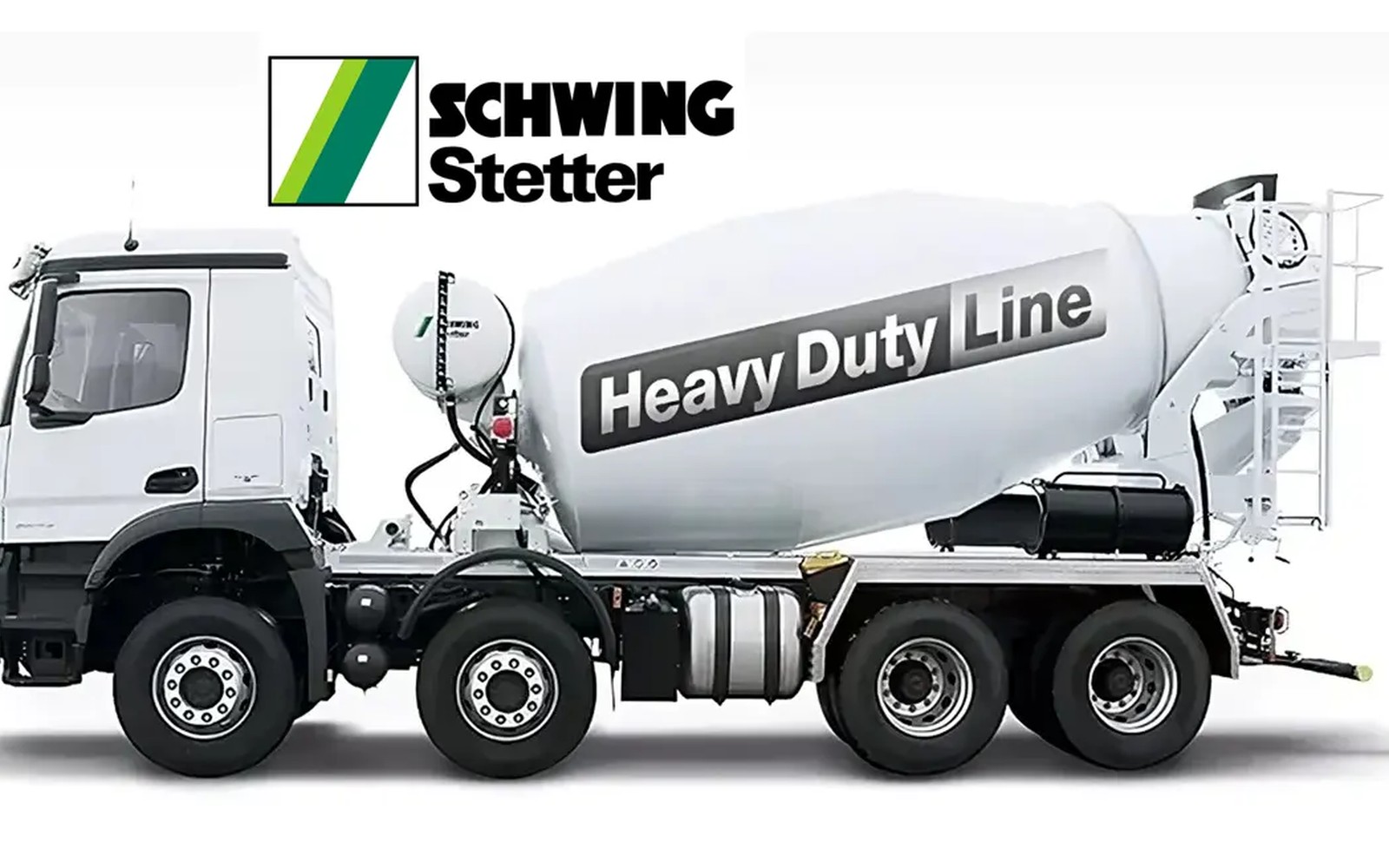
The auger is why volumetric concrete mixing works the way it does. In an auger-feed concrete mixer, a rotating helical auger moves aggregate, cement, and water through a mixing chamber, blending them continuously as they travel from the material compartments to the discharge chute. The mixing happens in motion, not in a drum. The concrete that exits at the chute has been produced seconds earlier, which is why it is genuinely fresh and why operators who run these machines describe the quality difference as immediately visible in workability and finish.
We finance auger-feed concrete mixers across all configurations. Minimum transaction is $50,000. Application-only approval is available to approximately $400,000. Funding closes in one to two weeks from a complete application, and B/C credit operators are considered.
The Auger Mechanism and Why It Matters
An auger-feed volumetric concrete mixer uses one or more helical augers to achieve continuous-flow mixing. Materials enter the mixing chamber from calibrated bins and hoppers, the auger pulls them through the chamber at a controlled rate, and the blending action of the auger flights produces homogeneous concrete at the discharge end.
The critical variables in auger-feed mixing performance are auger diameter, pitch, rotational speed, and the length of the mixing zone. Larger diameter augers move more material per revolution. Pitch determines how aggressively the auger pushes material forward versus how much time it spends in the mixing zone. Rotational speed controls output rate.
Auger wear is the primary maintenance item in this system. The auger flights, which are typically fabricated from high-chrome or tungsten-carbide-clad wear steel, progressively wear as abrasive aggregate passes through. Worn auger flights reduce mixing efficiency and eventually affect batch quality. Operators who track auger wear and replace flights proactively maintain consistent output. This is a known maintenance item, not a design flaw, and any buyer evaluating a used auger-feed mixer should inspect the auger condition carefully.
Compared to a drum mixer, the auger-feed design produces concrete to order without a fixed minimum load. A drum mixer must be partially or fully loaded with pre-mixed concrete. An auger-feed system batches exactly what passes through the auger during the discharge time, producing from a fraction of a yard up to the full machine capacity with equal ease.
Who Benefits From Auger-Feed Mixing Technology
Auger-feed concrete mixers serve the full range of mobile concrete operations, but their benefits are sharpest in several specific operating scenarios.
Operators who do a lot of short loads. The auger-feed format has no minimum practical batch size. Producing half a yard for a set of post footings costs only the ingredients and the time to discharge half a yard. This zero-waste characteristic makes auger-feed mixers the preferred format for residential concrete contractors who regularly face jobs where the right volume is less than two yards.
Specialty mix contractors. The auger-feed system allows admixture introduction at precise points in the mixing path, which gives operators fine control over specialty concrete properties. Fiber introduction, accelerator addition, and color dispersion all work well in the auger-feed environment. Operators running fiber-reinforced concrete work rely on the controlled mixing path to achieve even fiber distribution without balling or clumping.
General contractors and concrete contractors across a wide market range use auger-feed volumetric mixers as their primary production equipment. The technology is the basis for the entire volumetric mixer industry. Brands like volumetric mixer manufacturer financing and ProAll have built entire product lines around the auger-feed architecture.
Financing an Auger-Feed Volumetric Mixer
Auger-feed volumetric concrete mixers are the standard format for the entire volumetric mixing market, which means lenders who fund mobile concrete equipment fund auger-feed machines routinely. The collateral type is well-understood, valuations are established, and approval paths are clear.
The financing process is straightforward.
- One-page credit application covering business and personal credit profile
- Three months of business bank statements showing cash flow and revenue
- Equipment details: make, model, year, condition, and price
- Decision in 24-48 hours; funding in about one to two weeks
An equipment loan with fixed monthly payments is the most common structure. Terms run from 48 to 84 months depending on the machine's age and the loan amount. An equipment lease provides payment flexibility and simplifies the upgrade cycle when the auger or control system technology advances significantly over the lease term.
Operators exploring financing for the first time should review application-only financing to understand what the streamlined process looks like versus a full-doc bank loan. The difference in speed and document requirements is significant.
Buying New vs. Used Auger-Feed Equipment
New auger-feed volumetric mixers include fresh auger flights at full factory specification, a manufacturer warranty, and the latest control system software. For a business where daily concrete production is the primary revenue source and downtime is a direct financial hit, new equipment's predictability justifies the premium.
Used auger-feed mixers are available across a wide price range and represent strong value when properly evaluated. The auger condition, bin liner wear, hydraulic system status, and metering calibration are the key inspection points. A used machine with recently replaced auger flights and documented calibration history is often a better deal than a low-hour machine with worn auger components that will require immediate service after purchase.
We finance used auger-feed mixers as readily as new ones. Used equipment financing for auger-feed mixers follows the same application path with the addition of a condition assessment for higher-value or higher-hour units. Lenders who specialize in this equipment type understand the auger-feed maintenance lifecycle and price their used equipment loans accordingly.
Finance Your Auger-Feed Concrete Mixer
Apply with one page. B/C credit welcome. New and used auger-feed units financed. Funding in about one to two weeks. Let us match your deal to the right lender today.