
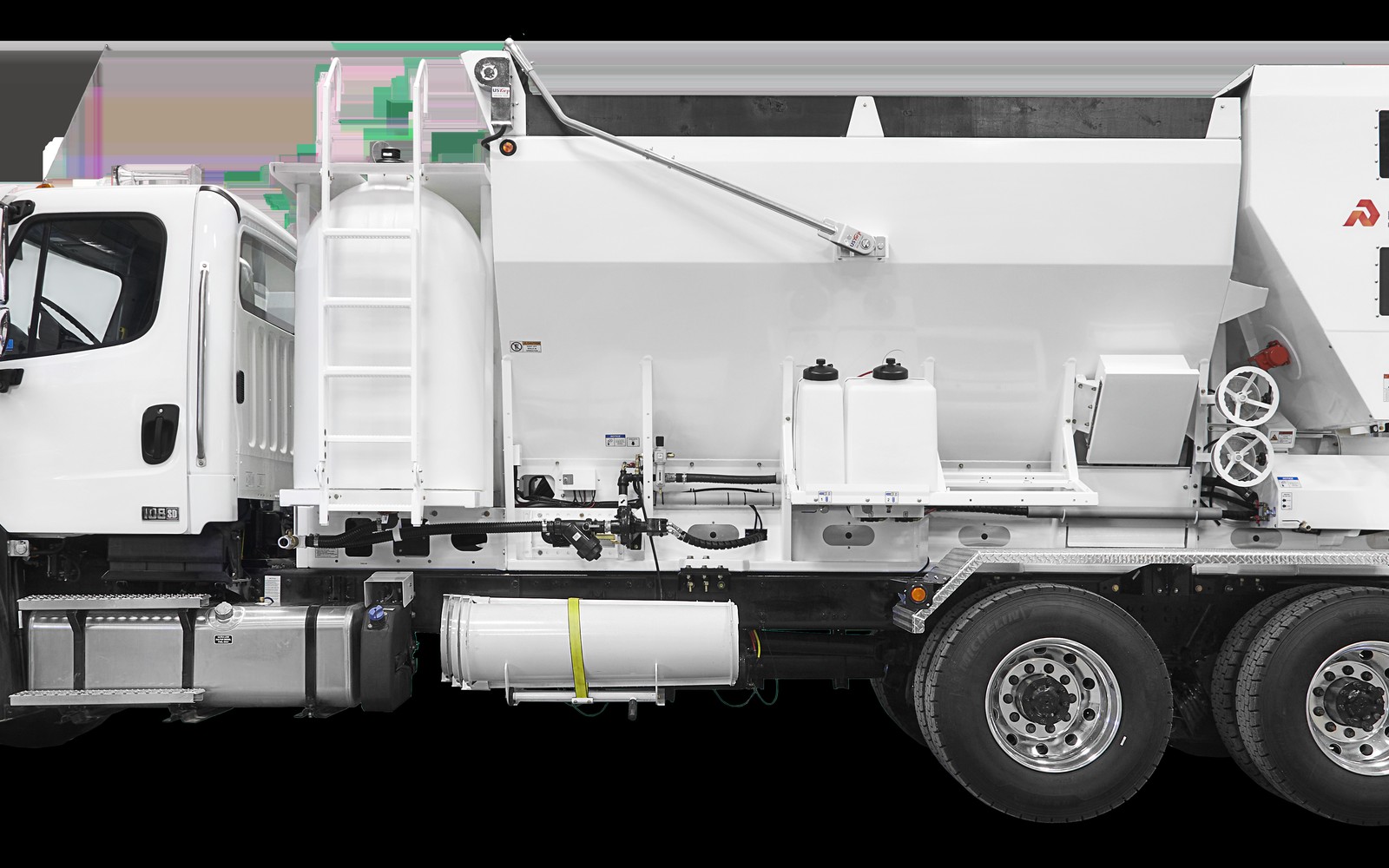
Driveways, patios, walkways, footings, steps: residential concrete work is built on small pours and tight margins. Every time you order a drum truck for a driveway and end up with a partial load ticket, that margin shrinks further. A volumetric concrete mixer truck changes the arithmetic. You batch what the job needs, not what the plant's minimum load requires, and you keep the difference.
Residential concrete contractors are among the strongest candidates for volumetric mixer ownership because the benefits stack: no short-load fees, no wasted material on the return haul, no scheduling pressure tied to plant windows, and the ability to adjust slump, fiber content, or color on the fly without waiting on a special batch. For a contractor running two or three residential jobs a day, those savings add up fast.
We finance volumetric mixers for residential concrete contractors at every stage, from a first unit to a growing fleet. Our minimum is $50,000. Most truck purchases land landing between $100k and $150k and above. We consider B/C credit and work with operators who are buying used equipment through private sellers as well as those buying new from a dealer.
The Right Machine for Residential Concrete Work
Residential work calls for a unit that maneuvers in tight driveways, handles neighborhood streets, and turns around quickly between jobs. That profile points to a compact or mid-size volumetric mixer rather than the largest production units designed for commercial supply operations.
A small volumetric mixer in the three- to six-yard range covers the majority of residential pours, from a standard driveway at around four yards to a large patio in the six to eight yard range depending on dimensions. Tandem-axle chassis are common in residential work because they thread through neighborhood streets without the turning radius challenge of tri-axle configurations.
For residential contractors who also take on decorative work, a colored-concrete volumetric mixer opens a premium service tier that drum trucks cannot easily supply. Integral color mixed at the meter delivers consistent results that contractors can offer as a differentiated product at a higher price per yard. That revenue premium can meaningfully accelerate the payback on the equipment investment.
Fiber-reinforced mixes are another residential-relevant capability. Adding polypropylene or synthetic fiber at the meter reduces cracking potential on residential flatwork without requiring a pre-batched specialty load from the plant.
Financing Terms That Work for Residential Volume
Residential concrete revenue is steady but seasonal in many markets. Winter slowdowns, permit delays, and weather windows affect monthly cash flow in ways that rigid payment structures can strain. We take that into account in how we structure financing for residential operators.
An equipment loan puts the truck on your balance sheet with a predictable fixed payment and full ownership from day one. Combined with Section 179 depreciation in the purchase year, the effective first-year cost can be significantly lower than the sticker price suggests. An equipment lease offers a lower monthly payment at the cost of near-term ownership, which is the right trade for some operators preserving cash in a growth phase.
For residential contractors with a few years in business and documented revenue, application-only financing up to around $400,000 keeps the process straightforward: three months of bank statements, the purchase quote, and the credit application. No tax return package, no extended underwriting wait.
Buying New vs. Used for Residential Operations
New volumetric mixers from manufacturers like volumetric mixer manufacturer financing, ProAll, and Holcombe offer full warranty coverage, factory support, and predictable maintenance costs for the first several years of ownership. For a contractor running the truck hard across multiple residential jobs daily, that reliability has real value.
A quality used unit, particularly one from a contractor who maintained it well, can offer nearly the same reliability at a significantly lower purchase price. The savings on the unit translate directly to a lower monthly payment, which improves cash flow during the early ownership period when revenue from the truck is still ramping.
Our used equipment financing program handles pre-owned volumetric mixers on the same timeline as new-unit transactions. If you find a good unit at the right price, buying used and financing it is often the smarter move for a residential contractor entering the volumetric market for the first time.
Residential Contractors Who Should Be Running Volumetric
The operator profile that benefits most from a volumetric mixer on the residential side is a contractor running three or more small-to-medium pours per week where short-load fees and batch timing are recurring frustrations. If you are regularly ordering partial loads or scheduling jobs around plant windows, the cost-benefit case for owning your mix supply is strong.
Contractors who do both concrete and hardscape, running paver bases, concrete borders, and poured-in-place elements on the same job, also gain significant flexibility. Mix design adjustments between pour zones, integral color for accent elements, and exact-quantity batching are all native to a volumetric unit.
Residential contractors serving rural or suburban markets with limited plant access gain a compounding advantage: shorter lead times, no missed windows when the plant is backed up, and the ability to take jobs that plant-dependent competitors struggle to supply. That market positioning is worth something on every bid. See how pool and hardscape contractors are putting volumetric mixing to work in adjacent residential segments.
Frequently Asked Questions
Questions residential concrete contractors ask us most often.
Start the Financing Process Today
Apply now and most residential concrete contractors complete the review in about one to two weeks. Compare loan options or explore our B/C credit equipment financing if your credit profile is a concern. The machine pays for itself on small pours, and we help you get to that first pour faster.