
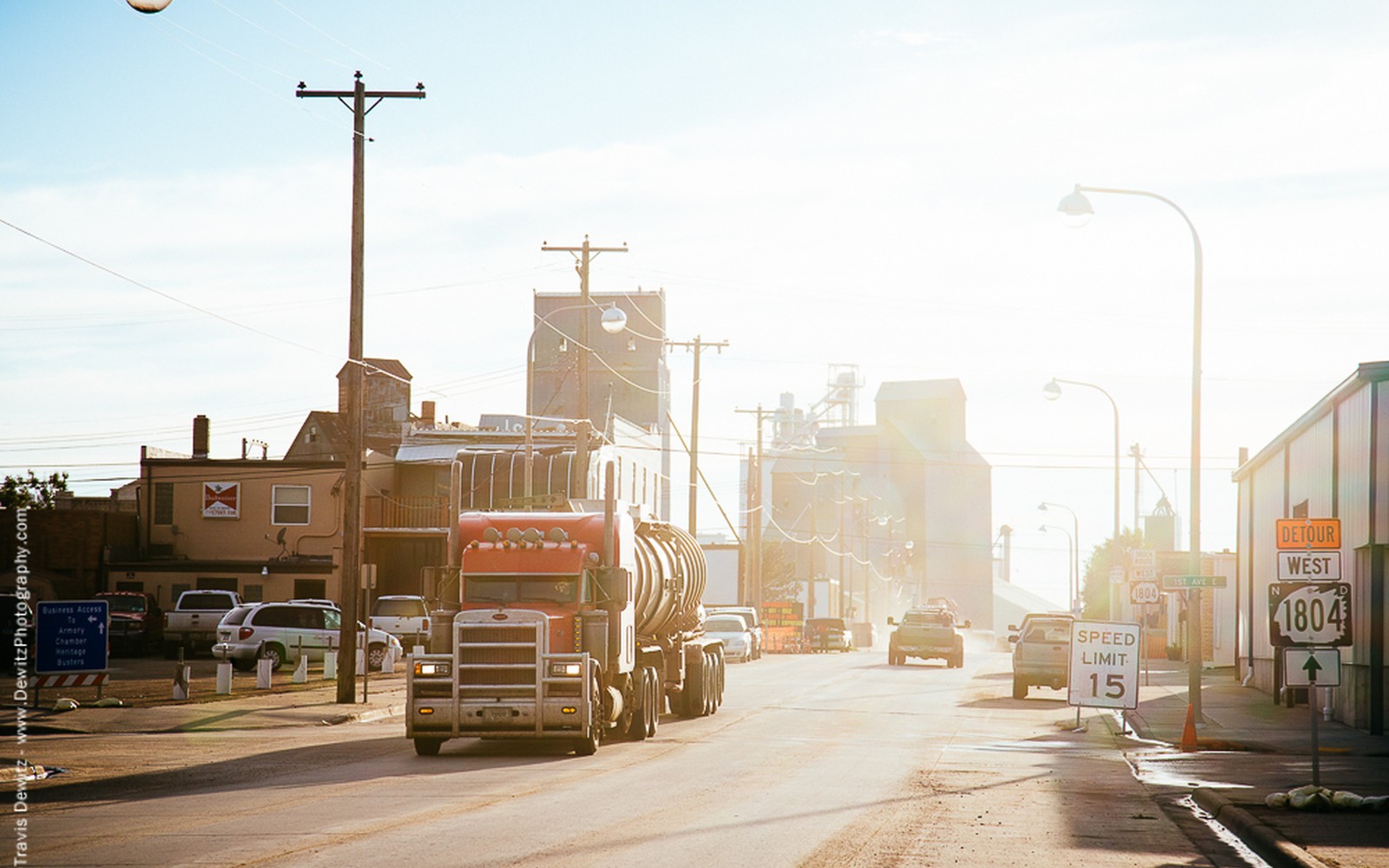
Williston sits at the operational center of the Bakken Formation, and the concrete demand that flows from oil and gas pad construction, access road infrastructure, saltwater disposal facilities, and man-camp construction in this region has driven heavy equipment acquisition cycles that most other markets never see. On-site batching is not a niche idea in the Williston Basin, it is a practical requirement on pad sites that are miles from the nearest ready-mix plant and running on tight mobilization windows. A truck-mounted volumetric mixer that travels with the spread and batches at the pad is how the work gets done. We finance those units for Williston-area operators who want to own that capacity rather than depend on it.
Minimum deal size is $50,000. The sweet spot runs $100,000 to $150,000 and above. New and used units both qualify. B/C credit is considered. Deals close in about one to two weeks from a complete file.
Bakken Basin Concrete Demand
The Williston Basin operates on a demand cycle tied to oil prices and drilling activity. At any active level, the concrete work associated with well pad construction, compressor station foundations, pipeline road crossings, and facility infrastructure keeps a steady need for mobile concrete supply. Plants exist in the region but the geography of the basin means job sites routinely fall outside practical haul range. A volumetric concrete mixer truck addresses this at the source: materials load at a supply point, the unit drives to the pad, and the pour happens without the scheduling dependency or slump risk of transit mix.
Oilfield and energy construction companies working the Bakken have been among the most consistent adopters of volumetric equipment for this reason. The cost savings on per-yard pricing at remote sites compounds quickly over a full drilling season. Contractors who serve multiple pads in a given period find that a single volumetric unit replaces what would otherwise require coordinating multiple transit mix deliveries per job.
Beyond the oilfield, infrastructure contractors working state highway and county road projects in Williams County and the surrounding region benefit from the same mobile supply logic. Road and highway construction on rural routes often requires concrete at locations that a batch plant cannot serve efficiently.
Choosing the Right Unit for Bakken Operations
Pad site work in the Williston Basin typically benefits from higher-capacity units that can complete a foundation pour in one positioning rather than multiple loads. A 10-yard volumetric mixer handles mid-size pad foundations and facility slabs efficiently. A 12-yard volumetric mixer is preferred by operators who handle larger structural pours and want to minimize the number of times the unit repositions on a busy site. A tri-axle volumetric mixer provides the load capacity and stability for heavy haul into rough site conditions typical of active drilling areas.
For operators who also serve infrastructure and public-works concrete outside the oilfield, a mid-range unit that handles both applications is the most flexible acquisition. The financing works the same regardless of unit capacity, and we have funded configurations across the full size range from small to high-output units.
Documentation and Credit in a Cyclical Market
Williston-area operators know better than most that revenue cycles with the oil price. Standard bank underwriting tends to penalize businesses that have ridden those cycles, even when the operators themselves have managed through them well. We approach the file differently. Three months of bank statements and an application are the starting point. What we read is the business's pattern across a realistic operating period, not just a single quarter.
For amounts under roughly $400,000, the application-only program keeps the documentation demand manageable. Operators who carry credit marks from a down cycle can access B/C credit equipment financing. The rate will be above prime tier, but ownership and a consistent payment history on a working asset often improves the credit position over the term of the loan. We have funded operators in Williston who initially came to us in the B tier and refinanced into better terms after two years of clean payment history on the unit.
Capital from Equipment You Already Run
A volumetric mixer that has been running in the basin for two or three years may carry significant equity. A Sale-Leaseback can convert that equity to operational capital while the unit stays in your fleet under a lease arrangement. A cash-out refinance pulls equity in cash form by refinancing the current balance above the payoff. Both approaches have been used by Williston-area operators to fund additional equipment purchases or to maintain liquidity through slower quarters without selling working assets.
If the goal is to add a second unit to the fleet, the equity in an existing mixer often provides enough capital to make the down payment on the addition, creating fleet growth without a major cash outflow from operations. That model, one unit funding the acquisition of the next, is how a lot of mobile concrete operators in this region scale.
Finance Your Williston Volumetric Mixer
Bakken concrete work happens at the intersection of remote logistics and tight pour windows, and a volumetric unit changes both. Submit an application today. We fund new and used mixers, work with B/C credit, and close in about one to two weeks. Call us or apply online to get your numbers.