
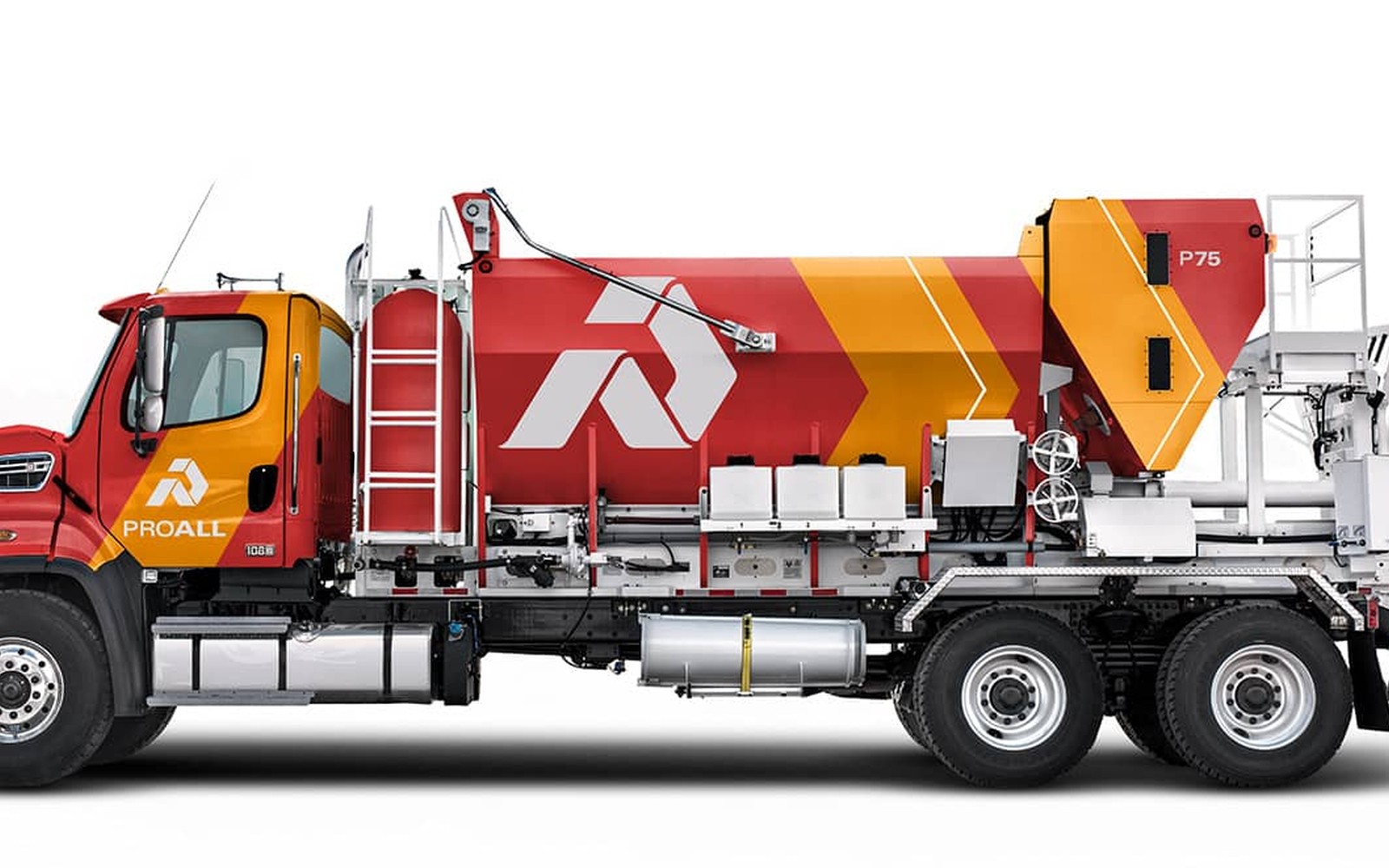
Stepping from an 8-yard to a 10-yard volumetric mixer adds roughly 25 percent more concrete per trip with a relatively modest increase in equipment cost and chassis size. For contractors whose jobs regularly push past the 8-yard output before refill and who want to reduce the number of resupply cycles on larger pours, the step-up in capacity pays for itself faster than many operators expect. Ten yards is enough to handle most mid-size commercial jobs in a single extended run while still fitting the access constraints of most suburban and light commercial sites.
We finance 10-yard volumetric mixers for operators at all credit levels, from prime borrowers getting competitive rates to B/C credit contractors with strong cash flow and equipment experience. Minimum transaction is $50,000. Application-only approval is available to approximately $400,000, and funding typically closes in one to two weeks.
What the 10-Yard Platform Delivers
A 10-yard volumetric mixer carries a payload that bridges the mid-size and large-capacity markets. Aggregate bins are larger than on an 8-yard unit, the cement compartment holds more material between refills, and the water tank is typically sized proportionally. On a standard structural mix design, a 10-yard unit produces enough finished concrete to complete a residential garage slab, a mid-size foundation section, or several hours of curb and gutter work before requiring a refill stop.
Output rate on a well-specified 10-yard unit is typically in the 1.75 to 2.25 cubic yard per minute range. At that rate, a 10-yard capacity is discharged in five to six minutes at full production. Operators running continuous pours coordinate the refill cycle to maintain flow to the pump or chute without interruption.
Compare the 10-yard configuration to the 8-yard volumetric mixer for operators who are on the fence about which capacity is right. The additional two yards per trip matters most on jobs above 15 total yards, where the 10-yard unit completes the pour in fewer trips. Below 10 to 12 yards total, the size difference has less operational impact.
At the upper end, the 12-yard volumetric mixer adds another 20 percent capacity for operators whose daily yardage consistently reaches the limits of a 10-yard platform.
Who Benefits From a 10-Yard Configuration
The 10-yard volumetric mixer appeals most strongly to operators in transition: businesses that have maxed out an 8-yard unit and need more capacity per trip but are not yet ready for the heavier chassis and higher capital cost of a 12-yard platform.
Established residential concrete businesses moving into light commercial and small institutional work find that 10 yards covers the full range from their existing residential customer base through the light commercial jobs they are targeting. A residential concrete contractor who wants to take on parking lot additions, small building pads, and community amenity pours without a second truck can often get there with a 10-yard unit where an 8-yard would require multiple refill stops.
Curb and gutter and flatwork specialists. Pavement operations that place curb, gutter, sidewalk, and median barriers run continuous small-volume output for hours at a time. A 10-yard unit in this application keeps the curb machine fed for longer stretches without interruption, which directly improves crew productivity.
Foundation contractors handling mid-size residential and small commercial foundations benefit from 10-yard capacity because foundation sections are sized in the 6- to 15-yard range for most single-family and small multi-family pours. A 10-yard unit handles a single foundation section in one trip on most designs. Operators serving foundation contractors or running their own foundation division appreciate the production consistency.
Financing a 10-Yard Volumetric Mixer
New 10-yard volumetric mixers price between approximately $220,000 and $320,000 depending on manufacturer, chassis specification, and control system options. Used units in good condition trade meaningfully lower. Both new and used 10-yard units commonly fall within the application-only financing range.
The documentation path is clean for most 10-yard deals:
- One-page credit application for business and personal credit review
- Three months of business bank statements demonstrating cash flow
- Equipment details for the specific unit being acquired
- Decision in 24-48 hours; funding in about one to two weeks
Operators with B or C credit still qualify for 10-yard mixer financing with our financing desk. The credit score sets the rate, not the eligibility. Bank statements that show consistent revenue, even in the $30,000 to $60,000 per month range, support approval for 10-yard deals. See B/C credit equipment financing for how these deals are structured.
If you want to weigh loan versus lease, FMV vs. dollar buyout lease options differ in how they treat ownership at term end. A dollar buyout lease functions like a loan; an FMV lease provides upgrade flexibility. We can walk you through which fits your situation.
Refinancing Options for 10-Yard Mixer Owners
If you already own a 10-yard volumetric mixer free and clear, that asset has equity you can put to work. A Sale-Leaseback converts the machine's market value to cash in your operating account while the mixer stays in your rotation and continues producing. This structure suits operators who need growth capital for a second truck, a new territory, or a business expansion and do not want to take on additional debt separate from the equipment.
For operators carrying existing debt on a 10-yard mixer and looking for a lower rate or reduced payment, equipment refinancing is the path. We evaluate the current loan balance against the machine's market value to find the refinancing structure that achieves your payment or rate goal.
Finance Your 10-Yard Volumetric Mixer
Apply now. B/C credit welcome. New and used 10-yard units financed. Expect a decision in 24-48 hours and funding in about two weeks. One-page application starts the process.