
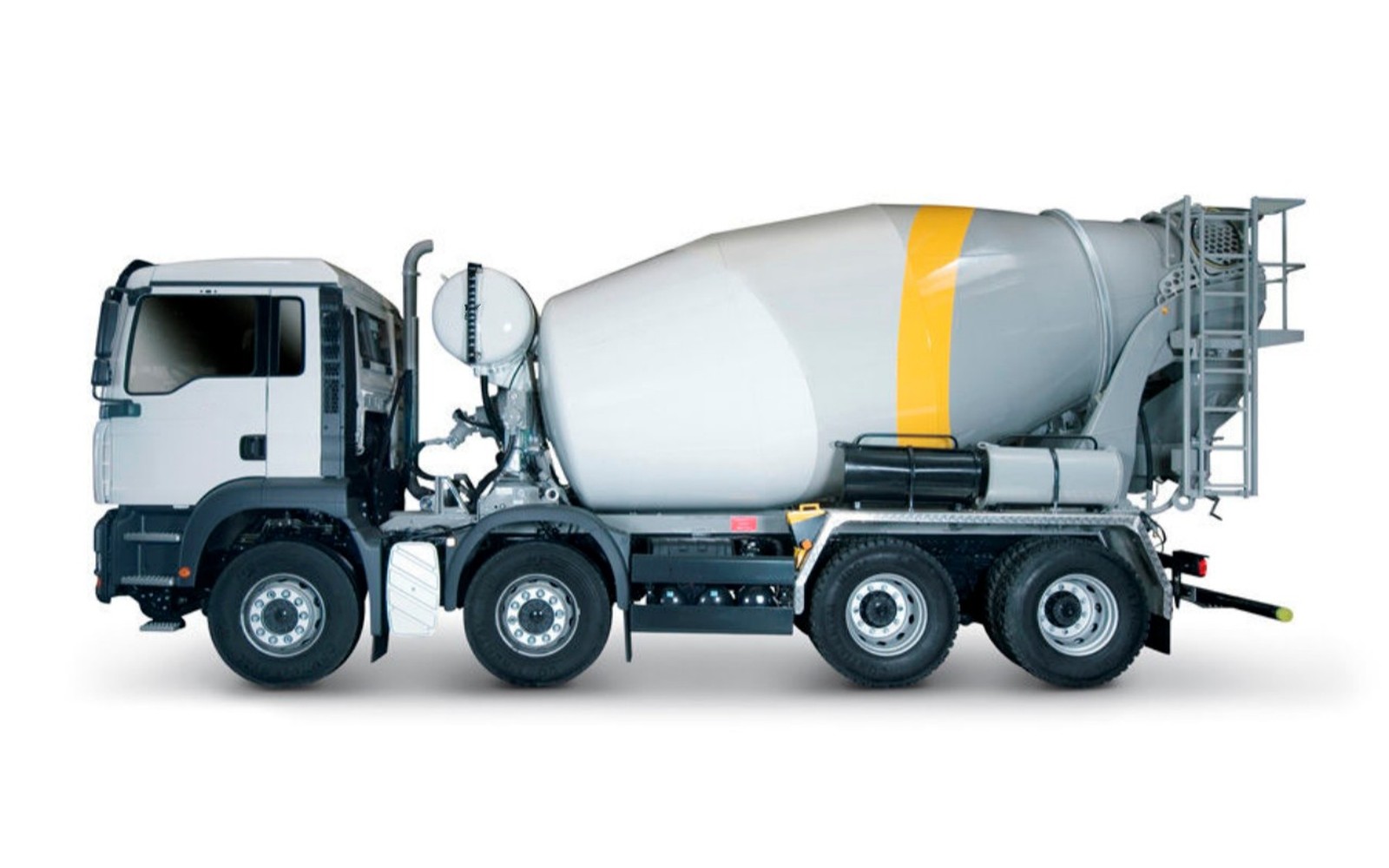
Underground utility work generates concrete at every turn. A water main replacement produces valve vault pours, hydrant pad concrete, and meter pit tops. A sewer line job generates manhole risers, junction boxes, and inlet inverts. A septic system installation needs tank slab pads, distribution box supports, and pump station bases. All of these are small, specific pours, and ordering a batch plant truck for each one generates minimum load charges that erode the margin on work that already runs thin.
Septic and utility contractors who own a volumetric mixer stop paying those fees and start batching what each underground structure requires, at material cost, at the time the crew needs it. That precision extends beyond cost. The mix going into a valve vault or a septic tank support pad can be dialed in exactly to the structural specification rather than accepting whatever the plant's minimum batch is. A metered concrete mixer in a utility contractor's fleet is as much a quality tool as a cost tool.
We finance volumetric mixers for septic and utility contractors. Our minimum is $50,000. Most production units suitable for utility work run $100,000 to $150,000 and above. We work with B/C credit, new and used equipment, and private sellers. Funding generally completes in one to two weeks from a full application.
Utility Contractor Profiles That Use the Most Concrete
Municipal water and sewer contractors are the heaviest users of underground concrete among utility operators. A large water main project might include dozens of valve vaults, fire hydrant pads, air valve boxes, and service saddle pads across the project corridor. Each needs concrete, each is a different quantity, and each small pour is more economical from a volumetric unit than from a plant delivery with a minimum charge.
Septic system contractors working in suburban and rural markets face a related but distinct set of concrete tasks. Concrete tank riser slabs, pump chamber pads, distribution box bases, and septic lid surrounds are part of the installation sequence on almost every job. For a septic contractor doing ten or more installations per month, the accumulation of those small concrete tasks makes volumetric ownership straightforward to justify.
Contractors who handle both utility and excavation and site work scope have the strongest case for volumetric ownership. The concrete tasks from each scope type layer on top of each other. The same volumetric unit that handles valve vault pours on the utility scope handles equipment pad concrete on the site work scope and foundation concrete for the related above-grade structures, if the contractor does that scope too.
Equipment Suited for Underground Utility Applications
Utility work does not require a large production volumetric unit. The pours are small, the access is often constrained, and the priority is batching small, exact quantities quickly rather than sustaining high production rates. A compact or mid-size unit in the four- to six-yard range serves most utility concrete tasks without the overhead of a large truck that cannot thread through the traffic control on an urban water main replacement job.
For contractors who also supply flowable fill for pipe zone bedding, a unit with flowable fill capability produces controlled low-strength material at the jobsite without ordering it from a specialty plant. Flowable fill is increasingly specified by municipal water and sewer specifications for pipeline zone bedding because of its self-leveling and compaction characteristics. Producing it on site is significantly more cost-efficient than plant delivery, and it eliminates the delivery timing coordination.
A grout volumetric mixer configuration is directly applicable for contractors who do pipe annular grouting, manhole adjustment ring setting, and other tasks requiring high-strength, low-water mixes. Those tasks appear on most utility projects in some form, and handling them with the same volumetric unit used for standard concrete eliminates a separate grout order and pump setup.
Financing a Utility-Grade Volumetric Unit
Utility contractors are often mid-sized businesses with government or municipal contract revenue and equipment already on the books. Adding a volumetric mixer to a fleet that already carries excavators, dump trucks, and compaction equipment is a straightforward equipment financing transaction in most cases.
An equipment loan adds the truck to your balance sheet as a depreciable asset. For a utility contractor with strong revenue, Section 179 depreciation in the purchase year is often the most valuable tax move available, and we structure the transaction to preserve that eligibility. An equipment lease is the alternative if keeping the monthly commitment lower is the priority or if balance sheet management for bank covenants or bonding is a consideration.
Application-only financing up to approximately $400,000 is available for established utility contractors with documented revenue. Three months of bank statements and the purchase quote are the core of the package. We move through most applications in one to two weeks, which is consistent with the timeline of a utility contractor who has a project starting soon and needs the equipment ready.
The Payment Math for Utility Contractors
The cost case for volumetric ownership in utility work is built on frequency and per-pour fee elimination. If a contractor is ordering eight to ten small batch plant deliveries per month for underground concrete, the aggregate short-load fees, delivery surcharges, and scheduling time are substantial. A volumetric unit's monthly payment needs to be compared against the full cost of plant-based supply, not just the material cost.
Beyond fee elimination, there is the margin capture on materials. A utility contractor who bills concrete by the yard on time-and-materials utility contracts and batches it at material cost produces a spread on every yard. That spread, multiplied across a busy project year, often makes the payment negligible relative to the added profit. That is the margin story that makes volumetric ownership work in utility contracting.
Contractors who want to take advantage of year-end tax savings on a volumetric purchase should look at bonus depreciation financing options. The first-year deduction under current bonus depreciation rules can significantly reduce the after-tax acquisition cost in the purchase year, making year-end timing a meaningful factor in structuring the transaction.
Frequently Asked Questions
Septic and utility contractors ask us these questions most often before applying.
Stop Paying Short-Load Fees on Underground Concrete
Apply today. Utility contractor applications typically complete the review in one to two weeks. Explore loan options or compare bonus depreciation financing for a year-end purchase. Every underground pour you batch yourself is a pour you are not paying the plant for.