
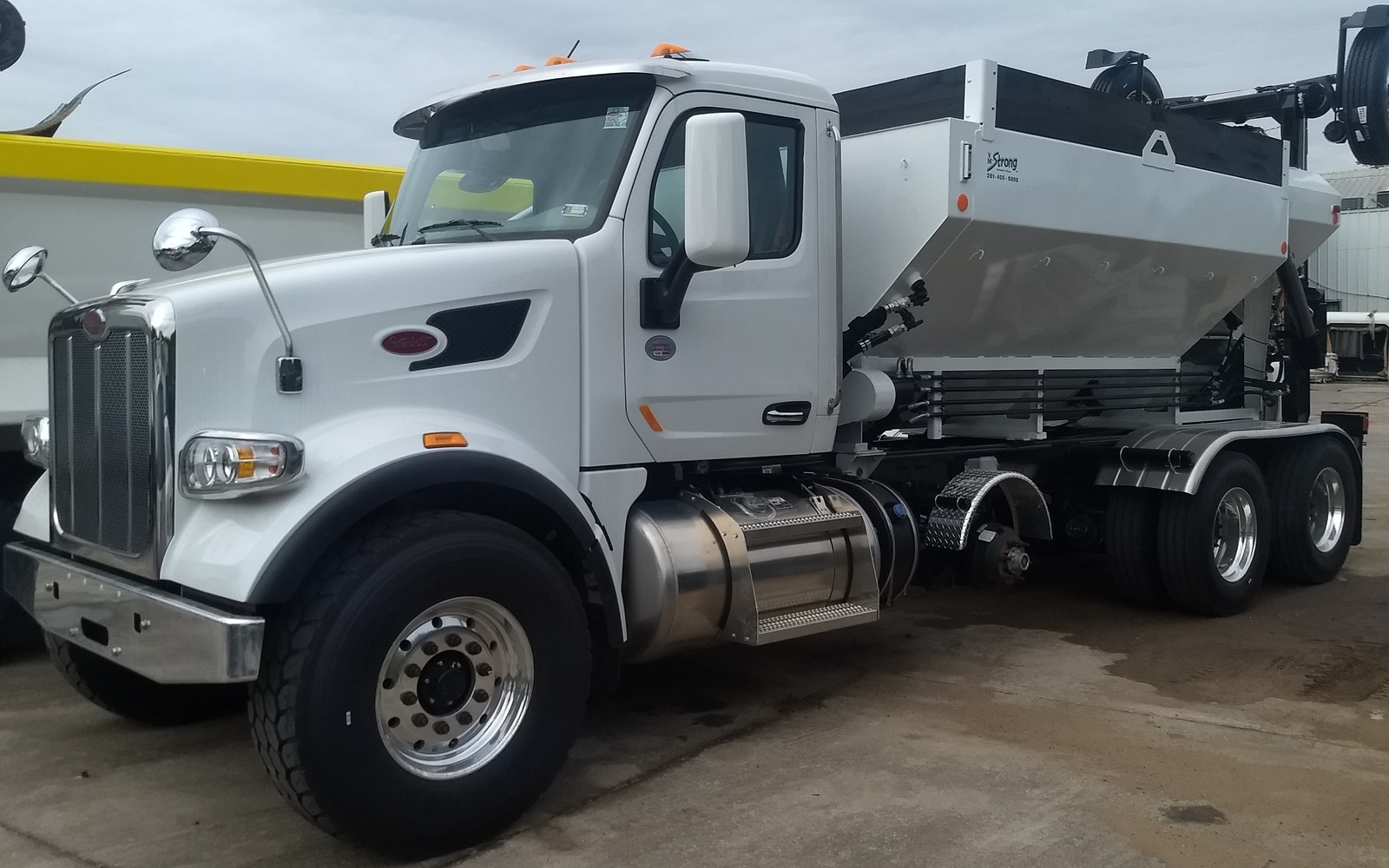
Roadmaster mixers are built for operators who run a route and expect the machine to hold up without drama. That operating philosophy, the idea that a volumetric mixer should just work, day after repeatable day, is exactly the kind of asset profile that makes financing straightforward. The machine produces measurable revenue, holds real resale value, and supports a deal structure that matches the business. We have been financing Roadmaster units new and used across the full configuration range, and if you have a unit lined up, we can move fast.
The Roadmaster Mixers brand page covers the full product overview. This page is specifically about the financing: what the process looks like, what qualifies, what structures are available, and how to get a quote started. Deals begin at $50,000 and most Roadmaster transactions run between $80,000 and $180,000. Application-only financing handles that entire range without a full financial documentation package.
Who Buys Roadmaster Mixers and Why the Financing Fits
The Roadmaster buyer profile skews toward operators who have thought seriously about the route economics of mobile batching before pulling the trigger on a machine. These are not impulse buyers. They have done the math on yield per yard, plant price vs. on-site cost, and what daily production looks like once the route is established. That financial discipline in the buyer makes for a more straightforward underwriting conversation on the financing side.
Operators in residential construction markets find Roadmaster units particularly well suited to the mix of short loads, varied specs, and spread-out job locations that characterize residential concrete work. A plant-supply model penalizes short loads with minimums and charges for returned concrete. A Roadmaster eliminates both problems. Residential concrete contractors running driveways, flatwork, footings, and retaining walls in active housing markets regularly see the machine pay for itself faster than their initial projection because the short-load savings exceed the loan payment every month.
Roadmaster also has a strong following among foundation contractors who pour in weather conditions or on schedules that make plant delivery unreliable. Mixing on site means the pour starts when you are ready, not when the truck arrives. That schedule control is worth real money in weather-sensitive markets, and it is the kind of operational advantage that shows up in the business's bank statements when underwriting looks at revenue consistency.
How the Roadmaster Financing Process Runs
The process starts with a one-page application and three months of business bank statements. You tell us what you are buying, approximate price, and we pull credit. Within 24 to 48 hours we come back with a term sheet or, if there are questions, a request for additional documentation. Once you accept terms, we coordinate with the seller on closing. Funds move to the seller and you take delivery. From application to funded, the typical timeline is about ten business days, sometimes faster when the deal is clean and the seller is ready.
Structure options for a Roadmaster purchase include a straight equipment loan where you own the machine and the lender holds a lien until payoff, an operating or capital equipment lease where payments may be lower but ownership or end-of-term residual terms differ, and a TRAC lease for truck-mounted units where the residual is defined upfront and you have a buyout option at the end. The right structure depends on how long you plan to keep the machine, your tax situation, and your cash flow preferences during the term.
Private-party Roadmaster purchases go through the same process with one addition: we run a lien search on the title before funding to confirm the seller has clear authority to transfer. That search adds minimal time when the title is genuinely clean. We fund the seller directly, which protects both sides of the transaction, and we handle the title logistics so neither buyer nor seller has to coordinate that paperwork independently.
Where Roadmaster Mixers Are Working and Why the Market Supports the Financing
Roadmaster units are active in the central and southern construction markets where residential and light commercial work is concentrated and where geography makes plant supply expensive or logistically complicated. Markets like Oklahoma City, OK and the surrounding corridor represent the kind of environment where a Roadmaster route makes clear economic sense: steady residential construction activity, spread-out job sites, and plant delivery minimums that penalize the short pours common in residential work.
The machine's practical repairability matters in these markets. Roadmaster's approach to chassis integration, working with established commercial truck platforms, means a diesel mechanic familiar with the chassis can handle drivetrain work without waiting for specialty parts or flying in a factory technician. For operators running routes in markets without a nearby volumetric mixer dealer, that is not a minor advantage. Downtime is lost margin, and a machine you can repair locally protects the revenue that justifies the financing.
On the lender side, the geographic distribution of active Roadmaster machines means there is genuine secondary market liquidity in the regions where the equipment is commonly used. That collateral liquidity is a factor in underwriting: a machine that can be sold in its home market if necessary is a better collateral position than an obscure piece of specialty equipment with no local buyer base. It rarely comes to a disposition scenario, but lenders price for the possibility and Roadmaster collateral generally supports favorable pricing.
Credit, Documentation, and What Moves the Deal
Roadmaster financing is available across a wide range of business credit situations. Established concrete operations with strong bank statements and above-average credit move through the fastest. B/C credit programs serve operators whose scores have taken hits or who are earlier in their business tenure. The combination of a meaningful down payment, typically 15 to 25 percent in B/C scenarios, and the Roadmaster's solid collateral value is often enough to bridge the gap between a challenged score and a workable approval.
Three months of business bank statements is the primary documentation requirement for application-only deals. We are looking for consistent monthly deposits at a level that demonstrates the business can carry the payment. Seasonal concrete businesses show variation in the statements, and we account for that in underwriting: a business that earns heavily in eight months and carries lower deposits in four months is not the same credit picture as a business with uniformly low deposits year-round. We read the statements in context rather than applying a mechanical formula.
For new business startups financing their first Roadmaster, the deal requires a stronger equity contribution and, in some cases, additional documentation connecting the operator's industry experience to the business plan. Operators coming out of the ready-mix industry or out of a concrete contracting job with genuine customer relationships have a better startup story than operators without prior concrete experience. We evaluate the full picture.
- Minimum: $50,000
- Typical range: $80,000 to $180,000
- Application-only to approximately $400,000
- B/C credit programs available
- New and used, dealer and private-party
- Funding in one to two weeks from approval
Start Your Roadmaster Financing Quote
Route economics are clear. The machine makes money every yard it pours. Get the financing dialed in so the payment matches what the Roadmaster will actually generate. Submit an application today and we will have a structure and rate picture back to you within one business day.