
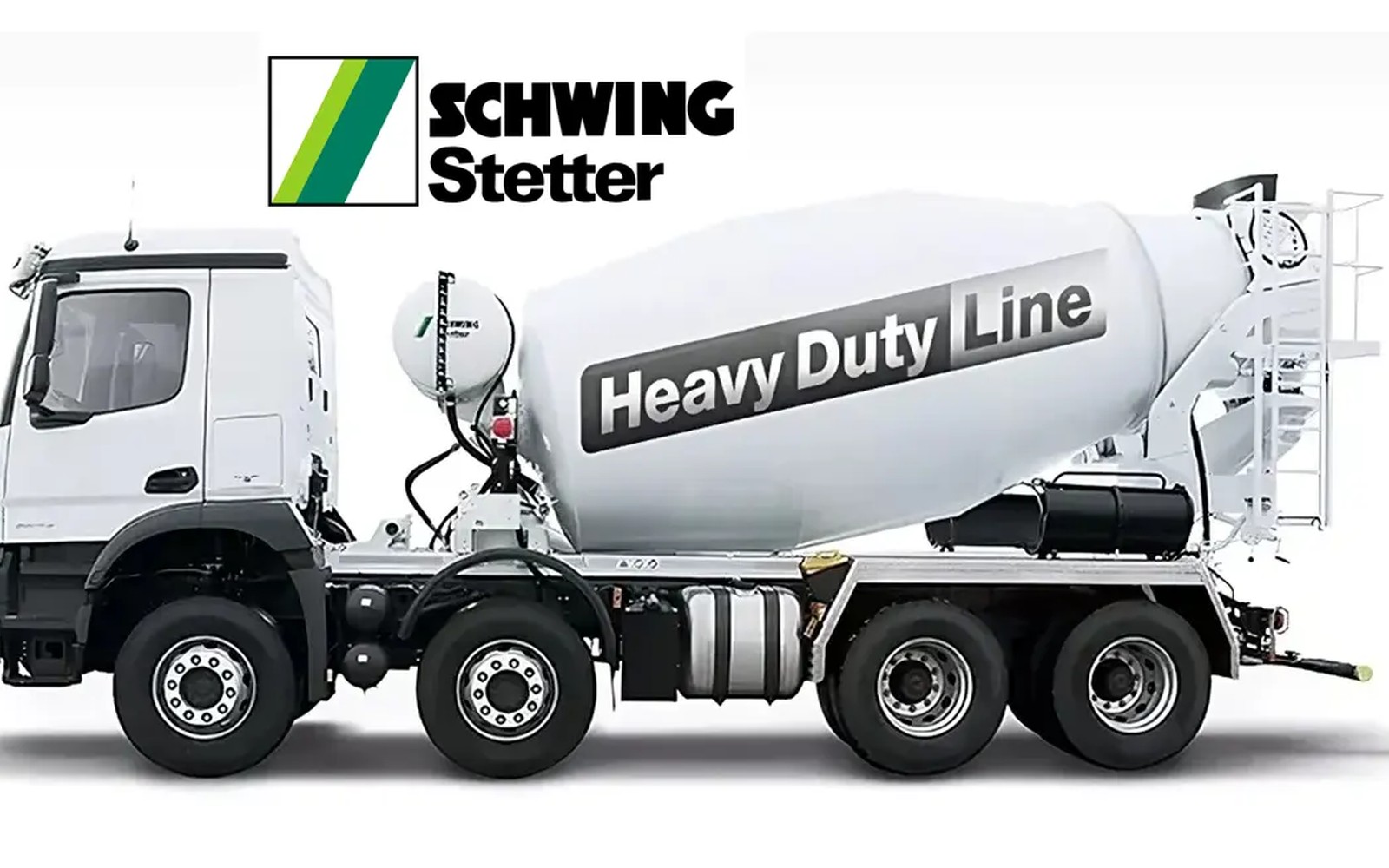
Volume is where the profit compounds. You batch more yards per stop, you serve bigger pours, and you cut the overhead per yard as your output rises. The limiting factor on most volumetric mixers is aggregate bin capacity, and an aggregate-bin mixer truck is the answer to that constraint. Expanded aggregate bins, often using dual-bin or tandem-bin configurations, allow the truck to carry more stone and sand per load without a proportional increase in truck length. The result is a unit that can handle larger pours before it needs to reload, or handle multiple mix designs on the same truck by separating aggregate types into dedicated bins.
We finance aggregate-bin mixer trucks for concrete contractors who have outgrown standard volumetric capacity or who need the flexibility of multiple aggregate compartments. Our floor is $50,000 and most expanded-capacity units price between $150,000 and $300,000 on a production chassis. B/C credit is considered, we fund in one to two weeks, and we handle new and used units alike.
Aggregate Bin Configurations That Change Your Output
Standard volumetric mixers carry coarse aggregate and sand in separate compartments, typically side by side, with total aggregate capacity calibrated to the truck's cement bin and water tank. When those bins are full, the truck is at maximum per-load capacity. An aggregate-bin mixer truck expands that capacity in one of several ways.
The most common approach is a tandem bin configuration, where the standard single coarse aggregate bin is replaced with two bins stacked or arranged in series. Each bin can carry a different aggregate size, allowing the operator to batch a two-aggregate-size mix without reloading between pours. For paving and structural concrete where aggregate gradation is tightly specified, this flexibility is operationally significant.
A second approach is simply extending the bin length on the standard configuration, adding aggregate volume without changing the number of compartments. Longer bins require either a longer chassis or a redesigned bin profile, and many production units use a low-profile bin geometry to fit within standard legal height limits while maximizing volume.
The 12-yard volumetric mixer format typically uses expanded aggregate bins as a core design element because reaching 12 cubic yards of output per load requires aggregate storage that exceeds what a standard 8-yard bin geometry can hold. Operators stepping up to the 12-yard class almost always move to an aggregate-bin configuration simultaneously.
The Buyers for Expanded-Bin Units
Commercial concrete contractors doing large flatwork pours are the core buyer. A 500-yard parking garage deck or a 400-yard warehouse floor benefits from a truck that can batch continuously in large per-stop quantities. Fewer stops per pour means fewer interruptions to pour sequencing, which reduces cold joints and makes the finisher's job more manageable.
Ready-mix concrete suppliers who have added volumetric capability to their fleet often choose aggregate-bin configurations specifically to serve larger commercial pours where plant trucks would typically send six or more drums. An aggregate-bin volumetric unit can compete with that volume with fewer trucks, which improves their margin on the job.
Concrete contractors in areas where specialty aggregate mixes are common, such as exposed aggregate finishes using specific stone types or structural mixes using gap-graded aggregate for drainage applications, find that the multi-bin format allows them to carry the spec stone and the filler aggregate together and batch the combined mix on site. That eliminates the need for a specialty plant delivery, which is often expensive and slow on short-notice orders.
How the Financing Works
Aggregate-bin mixer trucks are financed through the same equipment loan and lease programs as any volumetric unit. The expanded bin capacity adds to the unit's value and does not create complexity in the loan structure. The entire truck, including the custom bin configuration, is treated as a single unit of collateral.
For amounts up to around $400,000, we can proceed on an application-only financing basis. Larger deals or credit situations that need more review require three months of business bank statements. Either path moves faster than a conventional bank, often with an approval in a few business days and funding within one to two weeks of signing.
Borrowers in the B/C credit range are considered. Commercial concrete revenue, active contracts, and a history of equipment management all support an application for an expanded-capacity unit. If your credit is imperfect but your concrete revenue is solid, reach out and let us evaluate the full picture. B/C credit equipment financing is not a last resort for us. It is a core part of how we serve this market.
Expanded-Bin Units on the Used Market
Custom aggregate-bin configurations hold value well in the used market because they were built for production environments that demand durability. A used unit with an expanded-bin configuration that has been maintained well, with bins that are structurally intact and conveyor or auger systems that are functional, can provide the same output advantage as a new unit at a significantly lower cost.
The used market for these units is thinner than for standard volumetric trucks, because there are fewer of them and because operators who own production-scale units tend to keep them until they are fully depreciated or until a major mechanical event forces a decision. When they do appear, they often sell quickly. Having a pre-approved used equipment financing commitment means you can close on a used expanded-capacity unit as fast as any cash buyer, which matters when competition for a quality used unit is real.
Common Questions on Aggregate-Bin Mixer Financing
Here are the questions that come up most consistently from contractors looking at expanded-bin units.
Finance Your Aggregate-Bin Mixer Truck
If your current mixer is the production bottleneck, the aggregate-bin upgrade or replacement is the fix. Reach out with the details on the unit you are pricing, your concrete revenue history, and the type of pours you are winning. We will put a real term sheet in front of you, not a rate range. Operators in high-volume markets like Houston and Dallas use these units to serve commercial pours that smaller volumetric trucks simply cannot match.