
A general contractor who controls concrete supply runs a different schedule than one who depends on a sub or a plant. Concrete arrives when the job needs it, not when the plant's batch window opens. Mix design changes happen in the field without a phone call to the dispatcher. Short pours do not come with minimum load penalties. That scheduling independence has real dollar value on a multi-phase job where concrete placement timing drives everything else on the critical path.
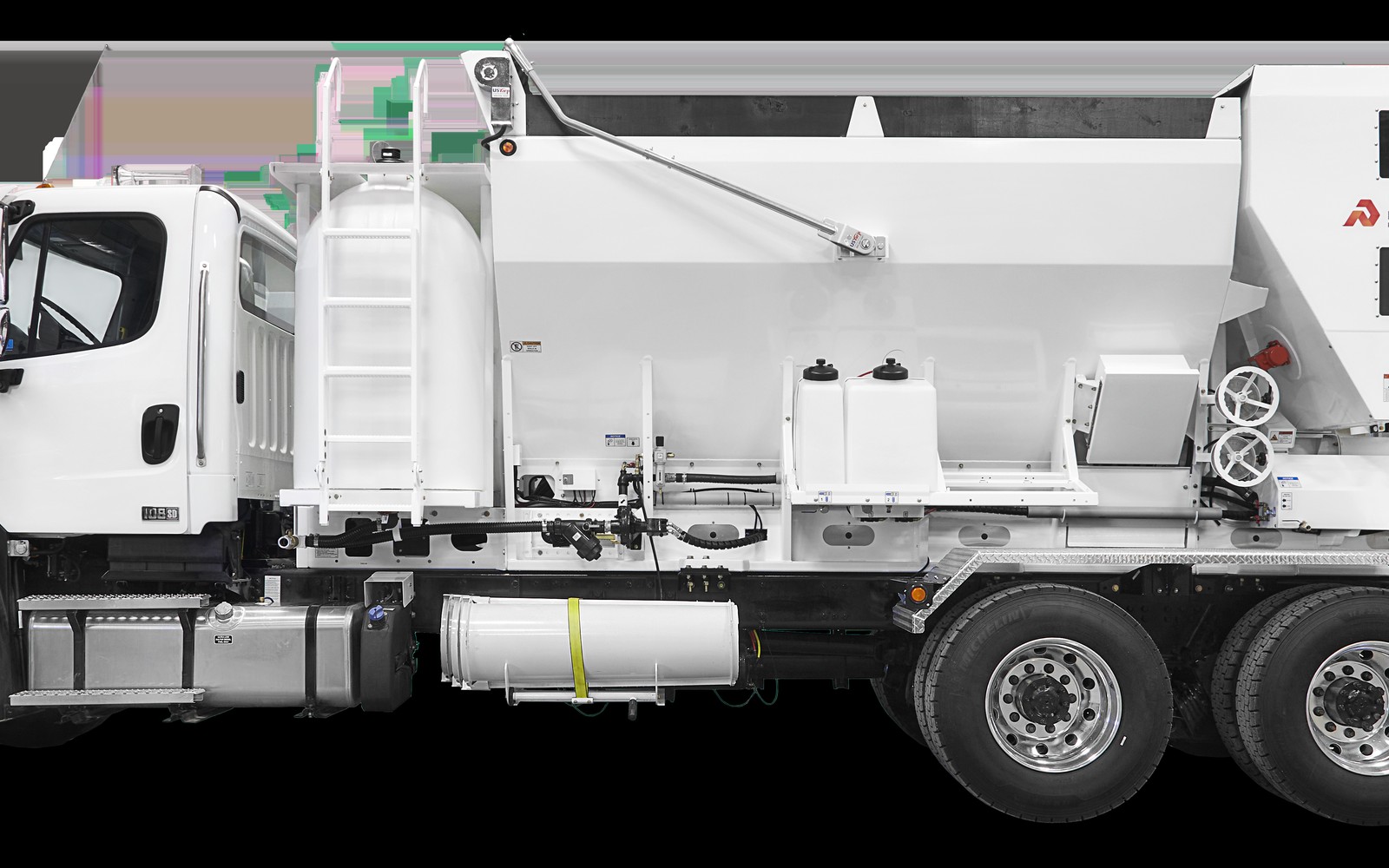
GCs who add a volumetric unit to their equipment fleet do not always intend to become concrete contractors. Many use the unit selectively: foundations, site pads, tilt-up pours, curb and gutter on their own projects, and occasionally on a neighbor's job when the truck is available. A on-demand concrete mixer is a tool that earns across multiple project phases and multiple project types simultaneously.
We finance volumetric mixers for general contractors with established operations and those in growth phases. Our minimum is $50,000. The core range for a production unit suitable for a GC operation runs $100,000 to $150,000 and above. We work with B/C credit and can often move on application-only financing terms up to approximately $400,000.
General Contractor Profiles That Benefit from Volumetric Mixing
The GC who benefits most from owning a volumetric unit is the one running ground-up construction in markets where plant access is limited or unreliable. If your projects go up in suburban growth corridors where multiple GCs are competing for plant trucks at the same time, owning your supply chain is a scheduling advantage no bid price can replicate.
Civil GCs doing site work on commercial and industrial projects also see strong returns. Curb and gutter, utility trench backfill, anchor pads, equipment bases, and site drainage structures are all concrete-intensive and often spread across the project timeline in small quantities. A curb-and-gutter mixer truck or a general-purpose volumetric unit covers all of these without ordering partial drum truck loads for each task.
GCs who handle a mix of commercial and public work find the documentation capability of modern volumetric systems valuable. Printed batch tickets from the meter satisfy most project mix design documentation requirements without the paperwork a separate sub creates. That simplification has value beyond cost savings.
- Commercial GCs running their own concrete sub-work
- Civil contractors with high curb, gutter, and flatwork volume
- Ground-up residential and commercial developers
- Contractors in markets with limited ready-mix plant access
Financing Structures That Fit a GC's Balance Sheet
General contractors typically carry multiple equipment lines and are experienced with equipment financing. The question is usually which structure fits this particular asset in this particular year, not whether financing is available. We work through both options clearly.
An equipment loan adds the truck to your balance sheet as a depreciable asset. Section 179 and bonus depreciation can reduce the effective first-year cost substantially, especially for GCs in higher revenue years who can absorb a large deduction. The fixed payment and known payoff date make planning straightforward.
An equipment lease is preferable when you want a lower monthly commitment or when the balance sheet impact of a new loan matters for bonding capacity, line of credit covenants, or investor reporting. Lease payments are an operating expense, not a debt line, which changes the ratios that bonding underwriters examine. For GCs where bonding capacity is a constraint, that distinction matters.
Established GCs with equipment in the fleet can also explore Sale-Leaseback on paid-off assets to generate working capital without taking on unsecured debt. If you own a backhoe, a skid steer, or a piece of paving equipment free and clear, that equity can fund the down payment or full purchase of a volumetric unit.
Concrete Supply as a Competitive Differentiator on Bids
Concrete supply independence is increasingly a bid differentiator for GCs who can credibly offer it. Owners and developers who have been burned by schedule slippage tied to plant delays or insufficient mix supply are responsive to a GC who says the concrete truck is in-house. That claim changes the conversation on schedule risk and who absorbs it.
GCs in high-growth markets, particularly in the Sun Belt and Mountain West where residential and commercial construction is outpacing ready-mix plant capacity, have the strongest immediate case for owning supply. A GC in the Phoenix, AZ market or the Austin, TX area with in-house volumetric mixing is positioned differently from one waiting in line for plant trucks on a busy pour day.
The revenue side also matters. A GC who brings volumetric batching in-house can sometimes mark up the concrete supply on a time-and-materials contract, capturing the spread between material cost and the price per yard billed to the owner. That is a margin opportunity a sub-contracted concrete supply arrangement forecloses.
Documentation and Credit for General Contractor Financing
For most GC financing requests landing between $100k and $400k, we work from application-only documentation: three months of business bank statements, the purchase quote, and credit. Established GCs with solid revenue and a clean payment history typically move through quickly.
B/C credit situations are workable. Construction credit profiles sometimes carry marks from a slow project year, a disputed invoice, or a supplier line that got strained on a big job. We look at the full picture, not just the score. The strength of the business, its revenue trend, and the nature of the equipment purchase all factor into the review.
B/C credit equipment financing for GCs is a real program with specific lender relationships that specialize in construction operators. We match the application to the right lender based on the credit profile, which gives you a better chance at reasonable terms than going directly to a lender not familiar with how GC financials look.
Frequently Asked Questions
Questions GCs ask most often before they finance a volumetric mixer.
Get Your Volumetric Mixer Financed
Apply today. Most GC applications complete the review in one to two weeks. Explore loan options, compare a lease structure, or talk to us about a sale-leaseback on existing equipment. Concrete supply independence is a competitive tool and we help you get it financed.